There’s nothing quite like a warm, freshly toasted English muffin, especially when the butter melts into all those wonderful nooks and crannies. And while it’s easy enough to pick up a package at the grocery store, homemade English muffins are such a treat and a really fun baking project. They’re golden and lightly crisp on the outside, soft and chewy on the inside—and making them from scratch is one of those little kitchen accomplishments that will make you feel awfully proud of yourself!
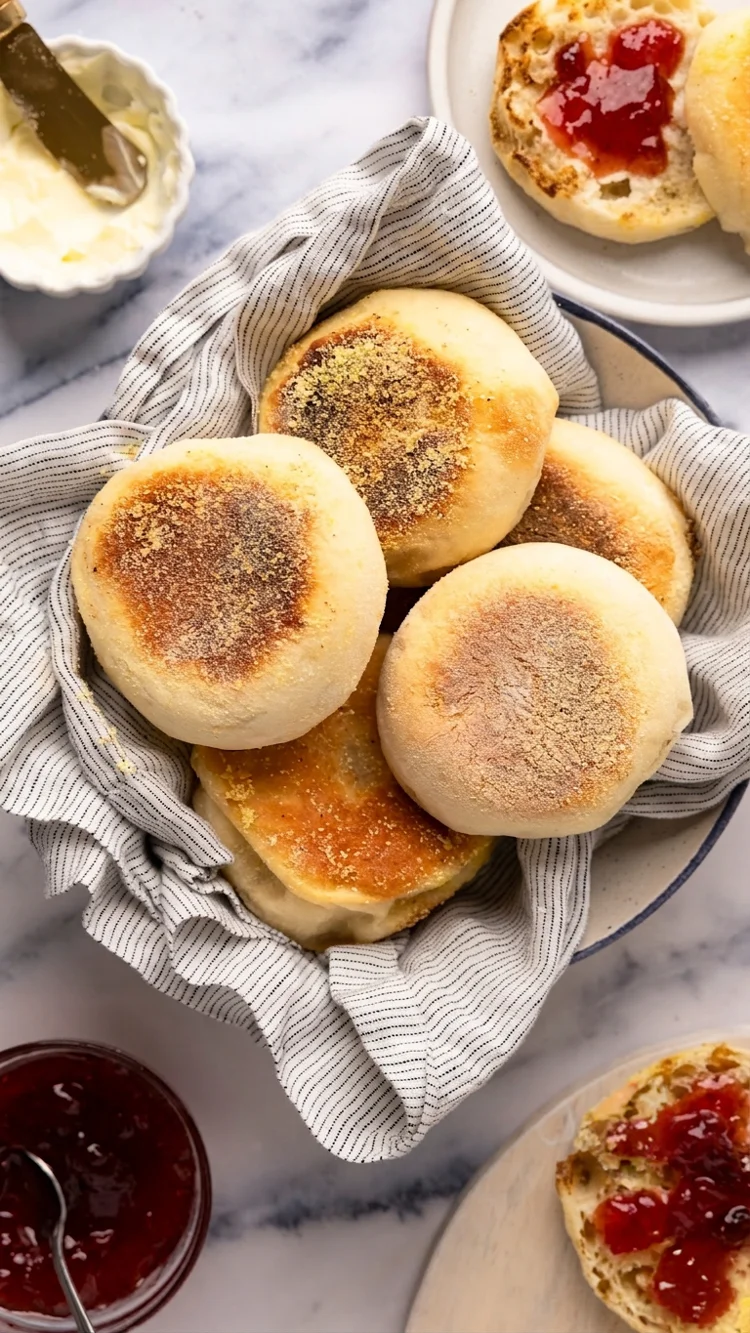
For this English muffin recipe, you can make the dough the night before or make the muffins the same day, whichever works best for your schedule. I love them simply toasted with butter, jam, and a sprinkle of flaky salt, but they’re also perfect for eggs Benedict, breakfast sandwiches, or English muffin pizzas.
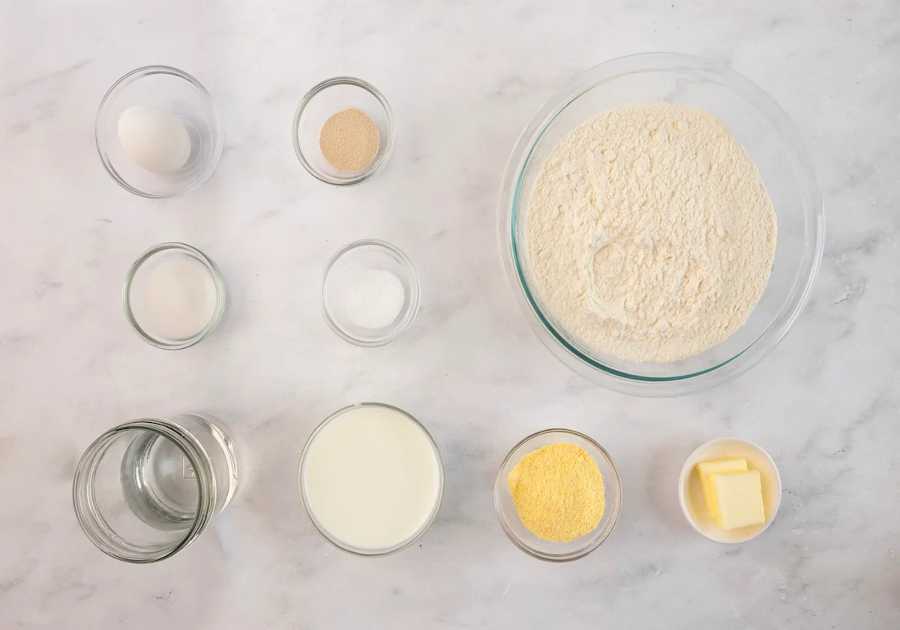
What You’ll Need To Make English Muffins
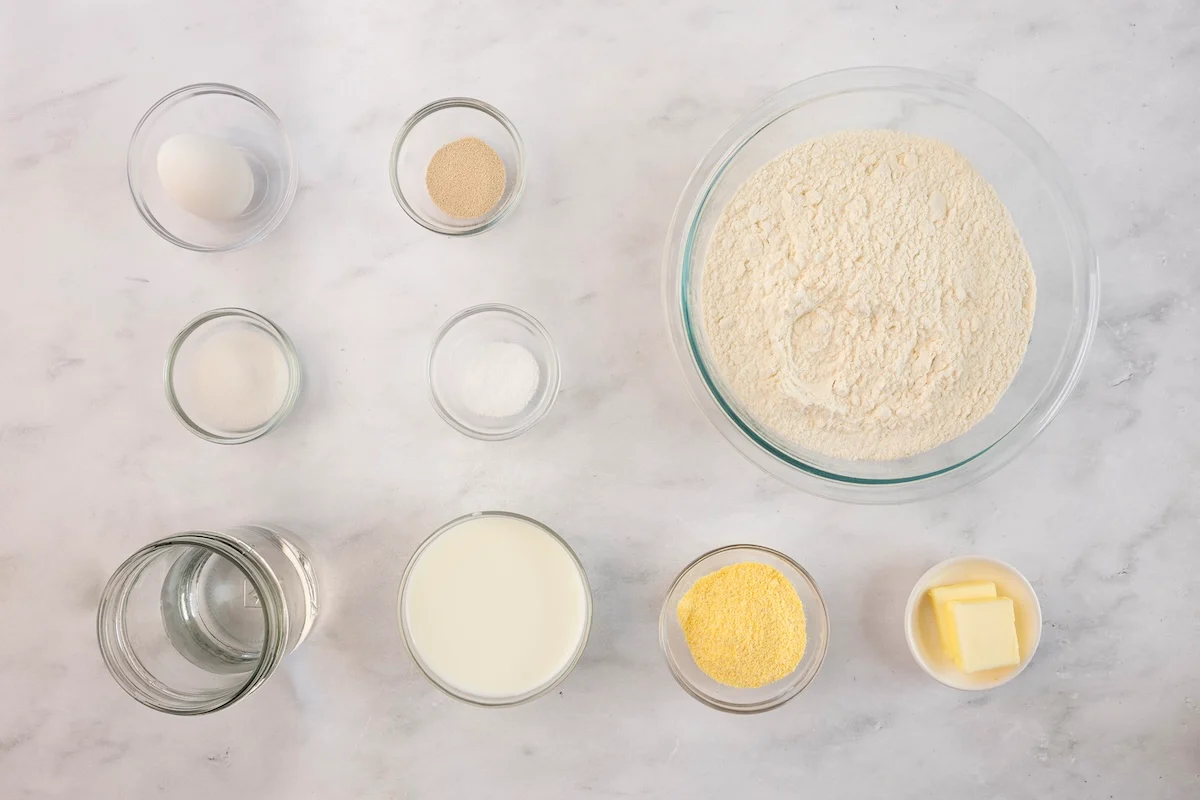
- Bread Flour: I use King Arthur bread flour, which has a higher protein content than all-purpose flour and gives the muffins their signature chewy texture. For accuracy, spoon it into your measuring cup and level it off.
- Salt and sugar: Salt seasons the dough, while sugar adds a hint of sweetness and helps feed the yeast.
- Yeast: Makes the dough rise and creates the air pockets that give English muffins their characteristic texture. If you’re using packets, you’ll need just shy of one packet.
- Unsalted Butter: Adds flavor and helps keep the muffins soft. Make sure it’s softened so it incorporates easily into the dough.
- Water and milk: Water hydrates the flour, while milk adds richness and helps create a softer crumb. Whole milk is my preference, but 2% works well, too. Both liquids should be lukewarm, not hot.
- Egg: Enriches the dough and provides structure. Beat it lightly before adding it to the mixer.
- Cornmeal: Keeps the muffins from sticking to the baking sheets and gives them their traditional slightly crunchy exterior.
- Vegetable Oil: Used to grease the skillet or griddle for browning the muffins. You can also use it, or nonstick cooking spray, to grease the bowl for rising.
- Jump to the printable recipe for precise measurements
How To Make English Muffins
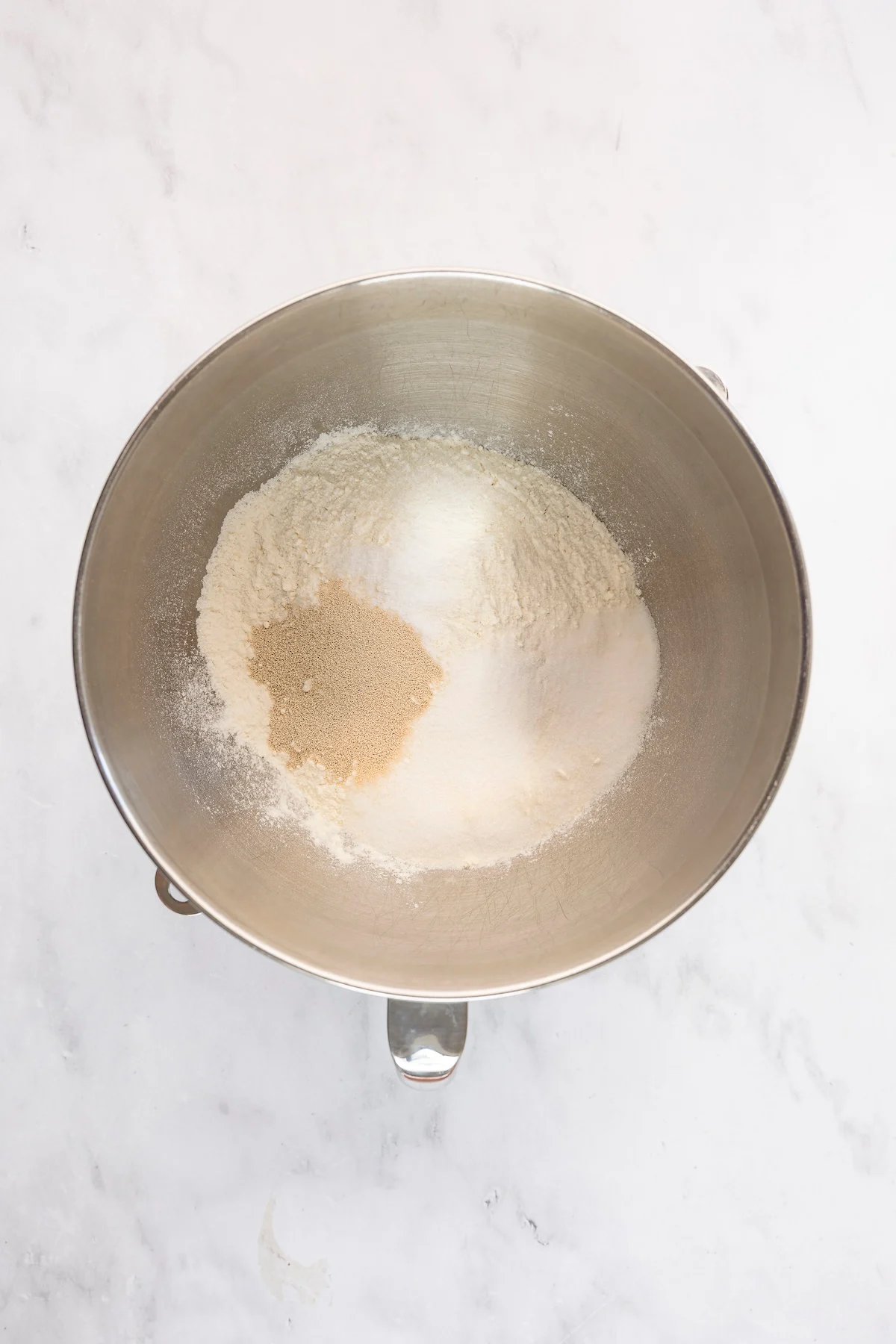
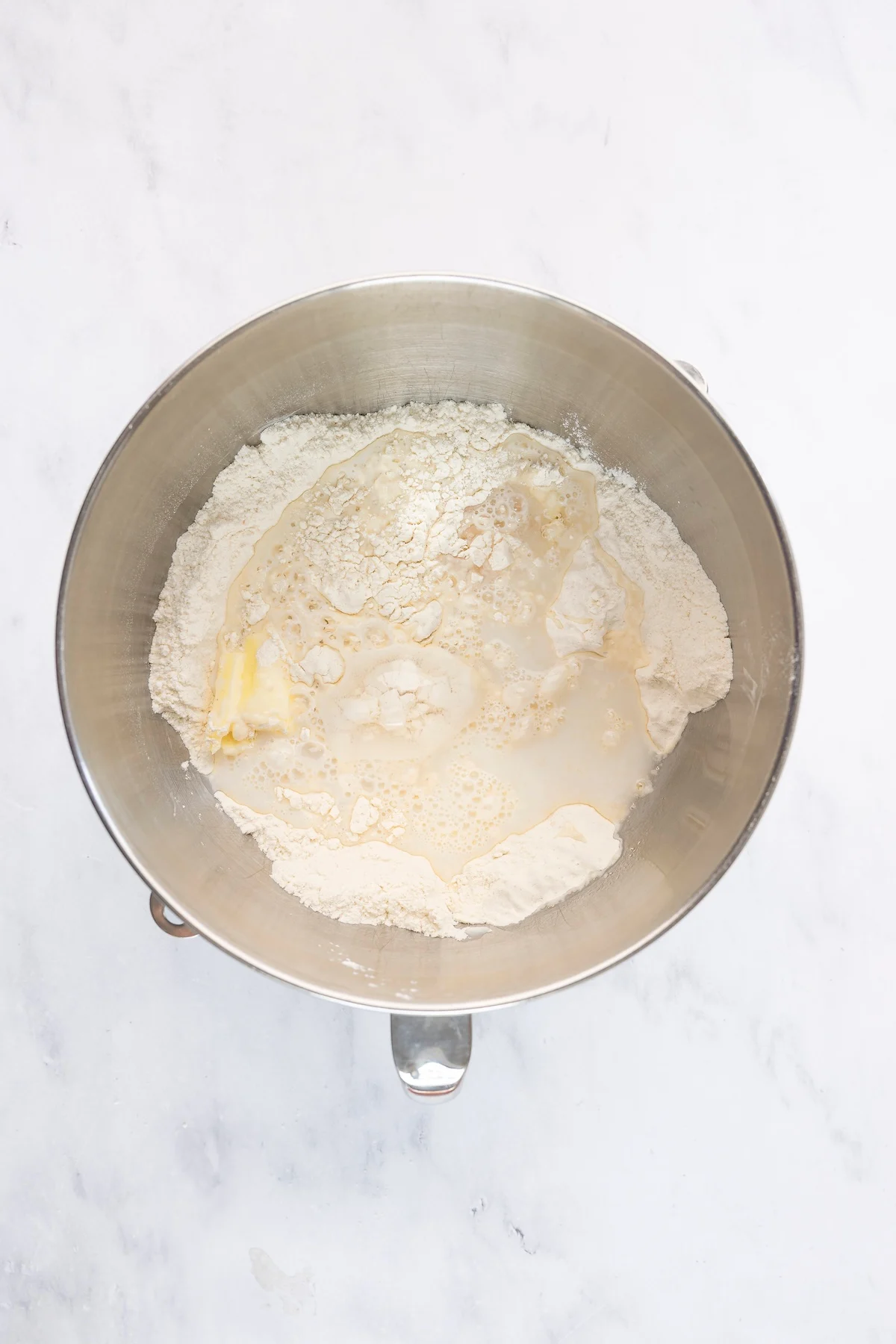
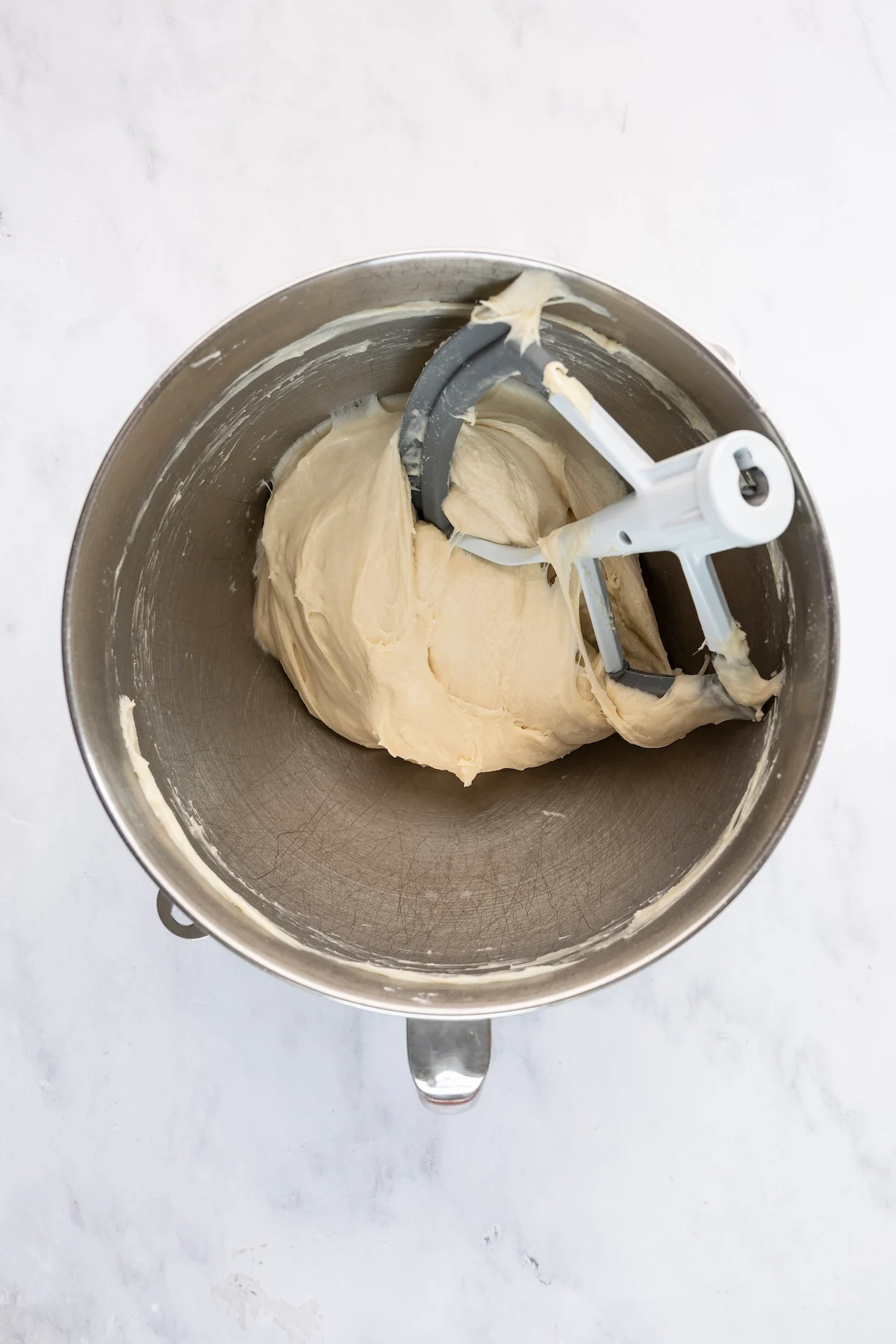
Mix the dough: Add the flour, salt, sugar, and yeast to a stand mixer fitted with the paddle attachment (yes, the paddle—this is a very wet dough!). Add the butter, water, milk, and egg, then beat on medium-high speed for 6 to 10 minutes. Be patient—it takes a while, but the dough will become smooth and shiny and pull away from the sides of the bowl. Transfer the dough to a greased bowl.
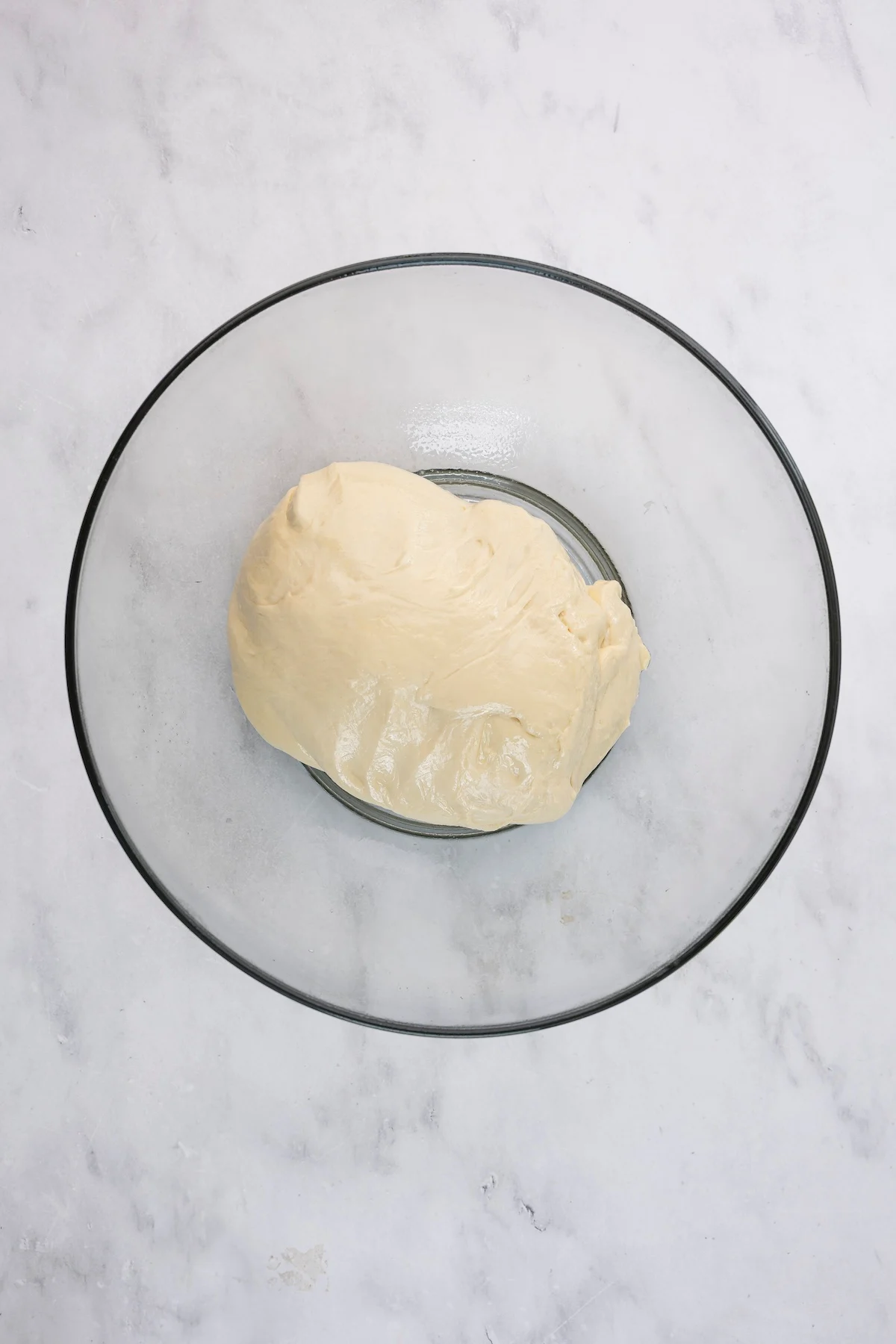
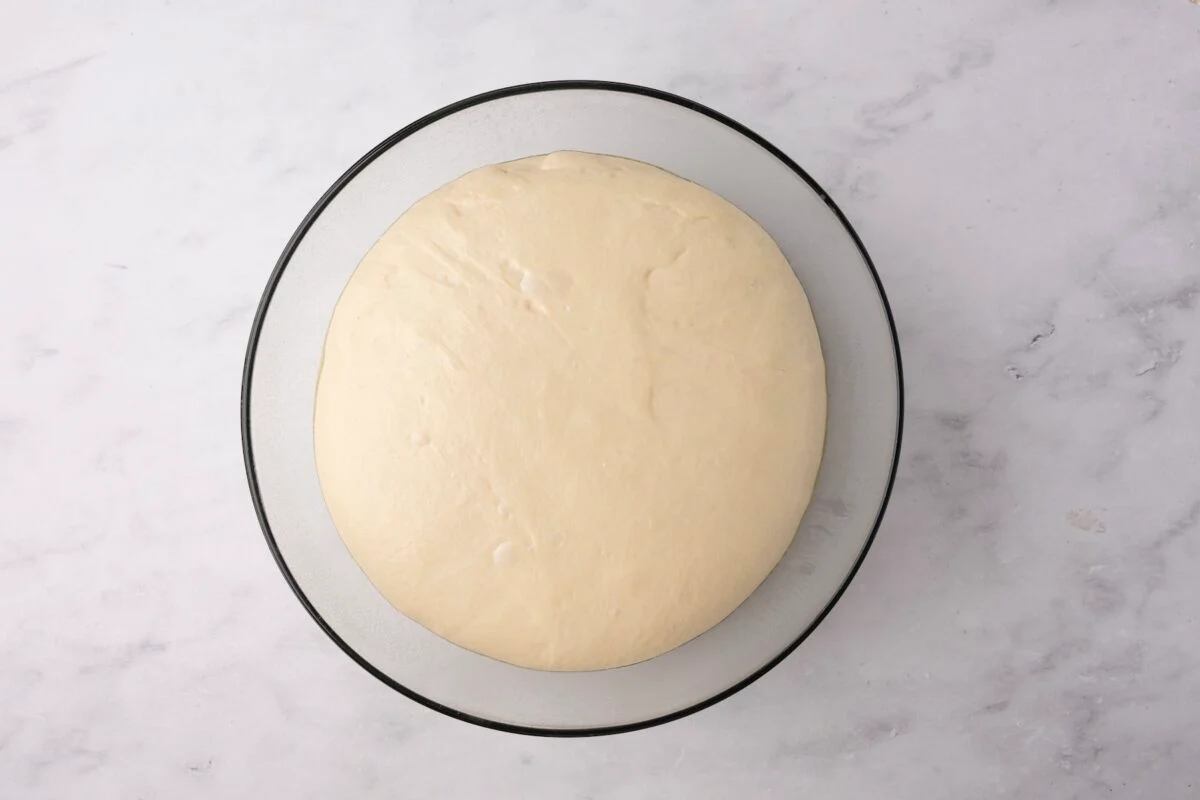
Let the dough rise: Cover the bowl and let the dough rise in a warm spot until doubled—it will take 1 to 1½ hours. Alternatively, if you have time, you can let it rise overnight in the fridge, which develops more flavor and gives the muffins a more open, tender crumb.
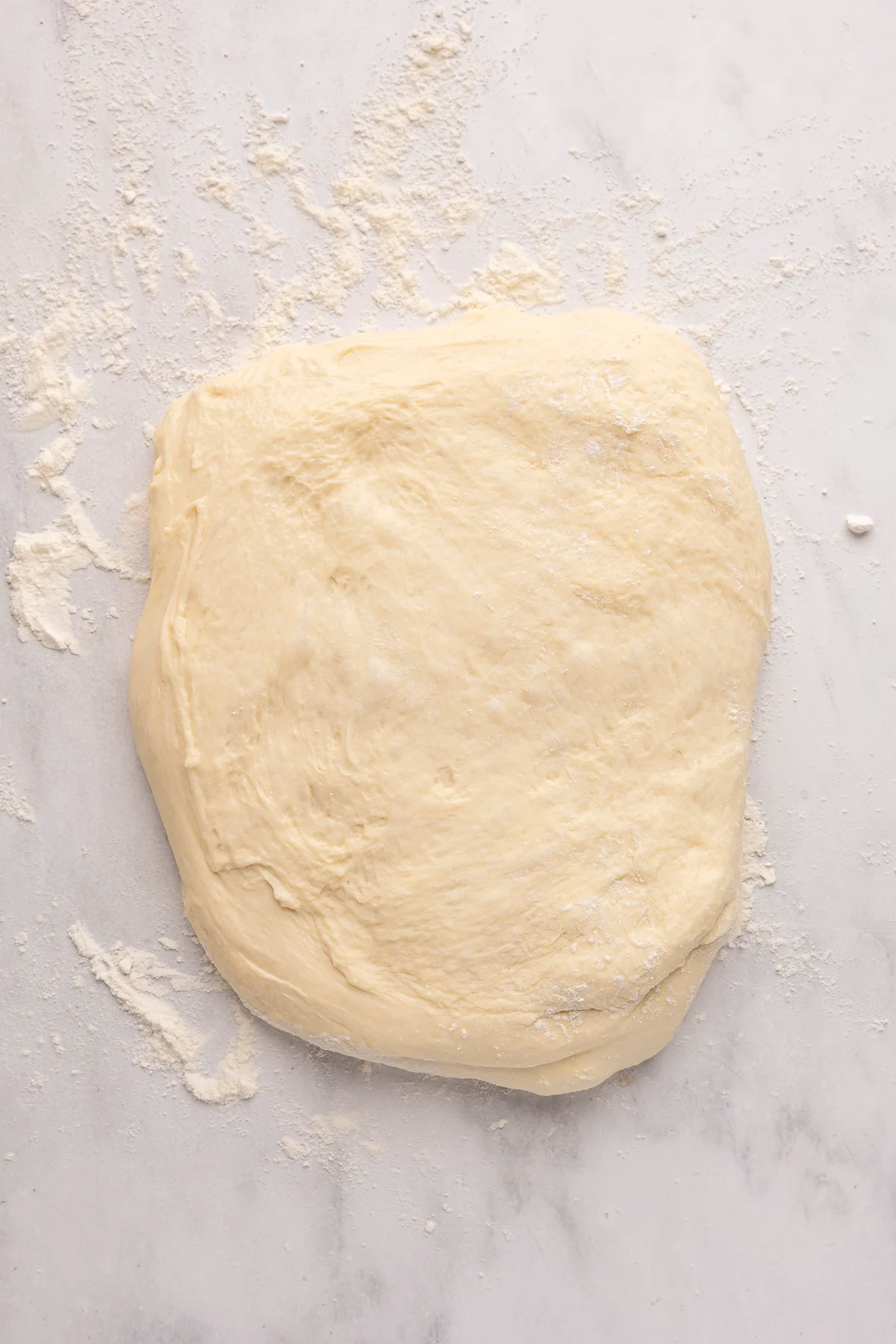
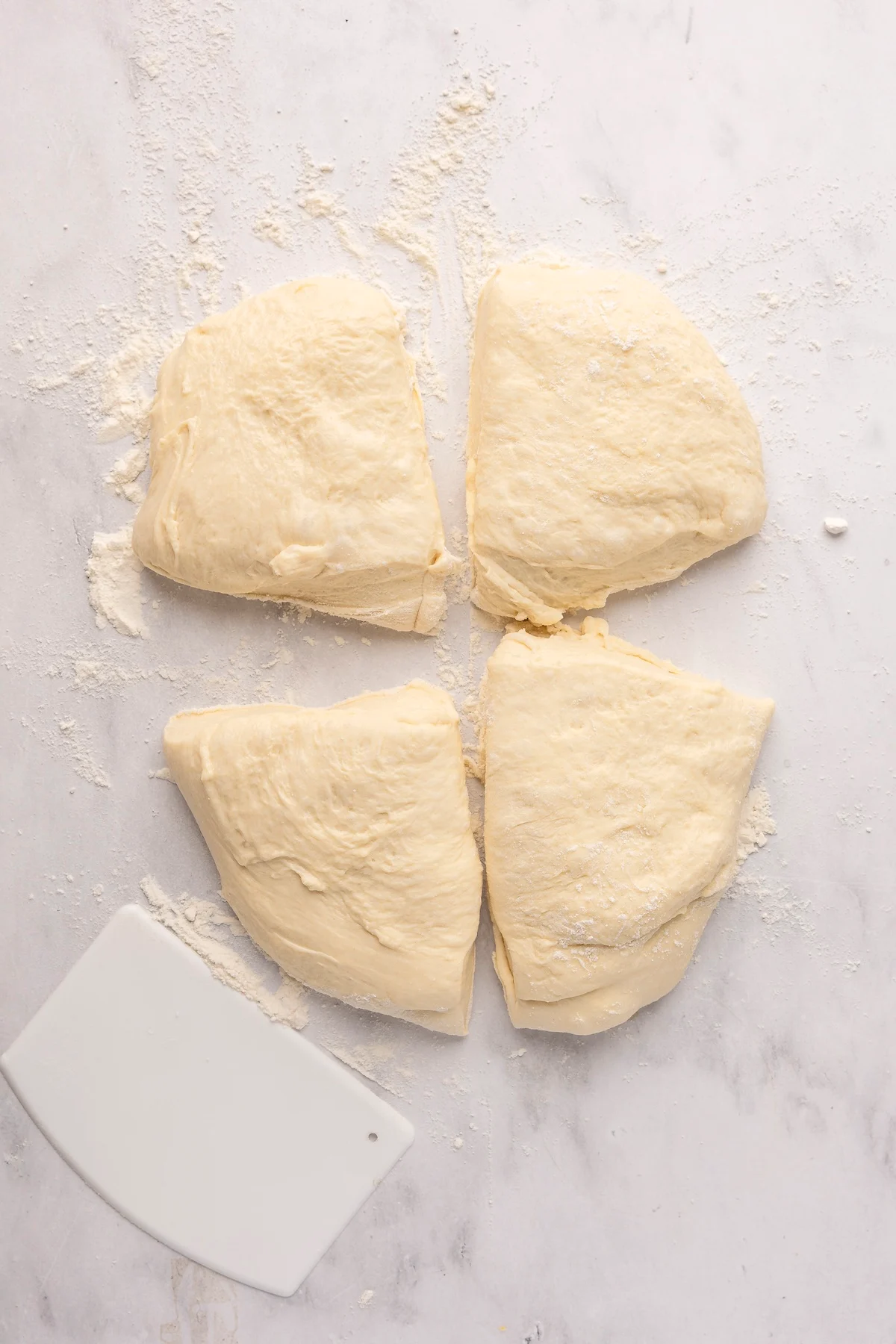
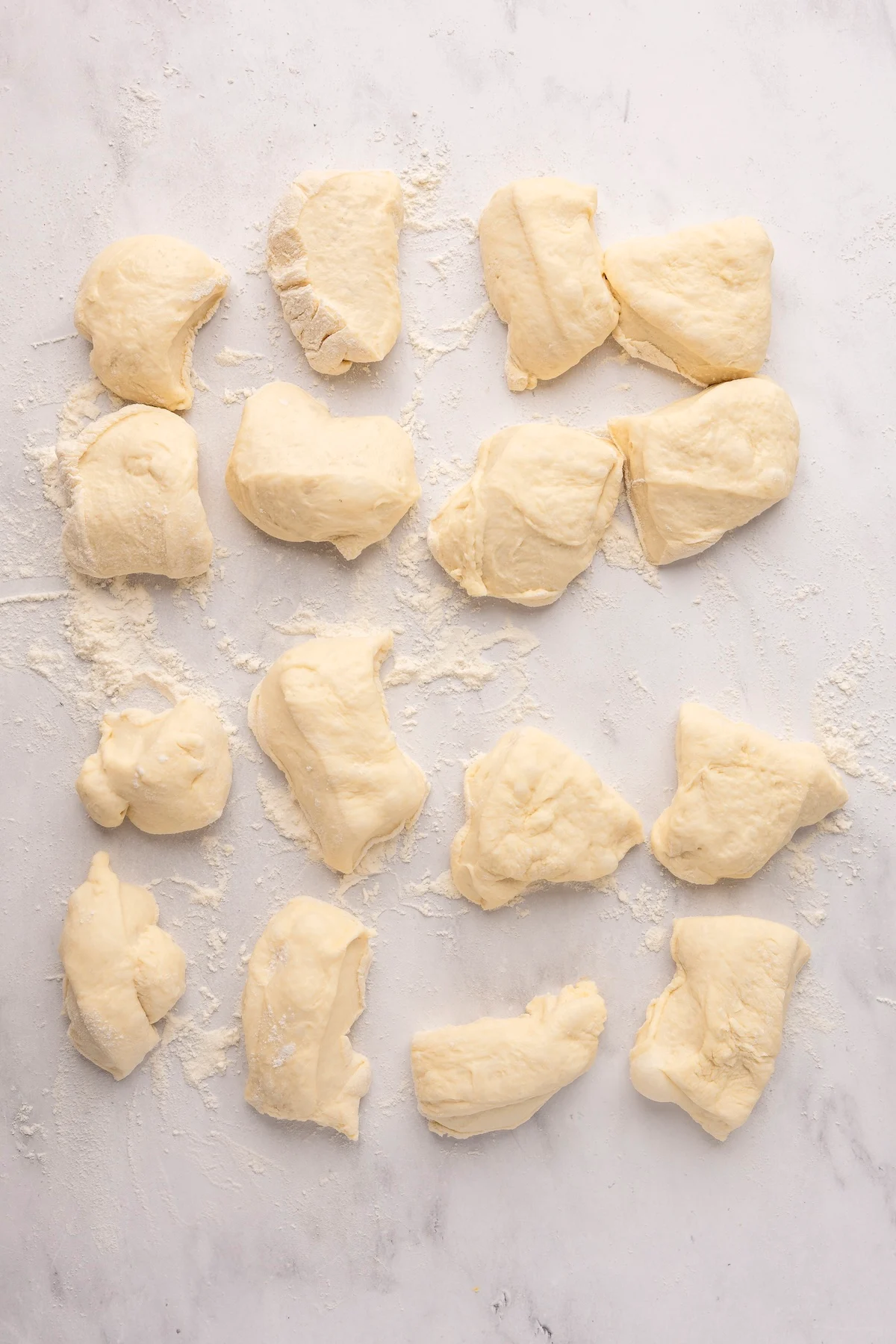
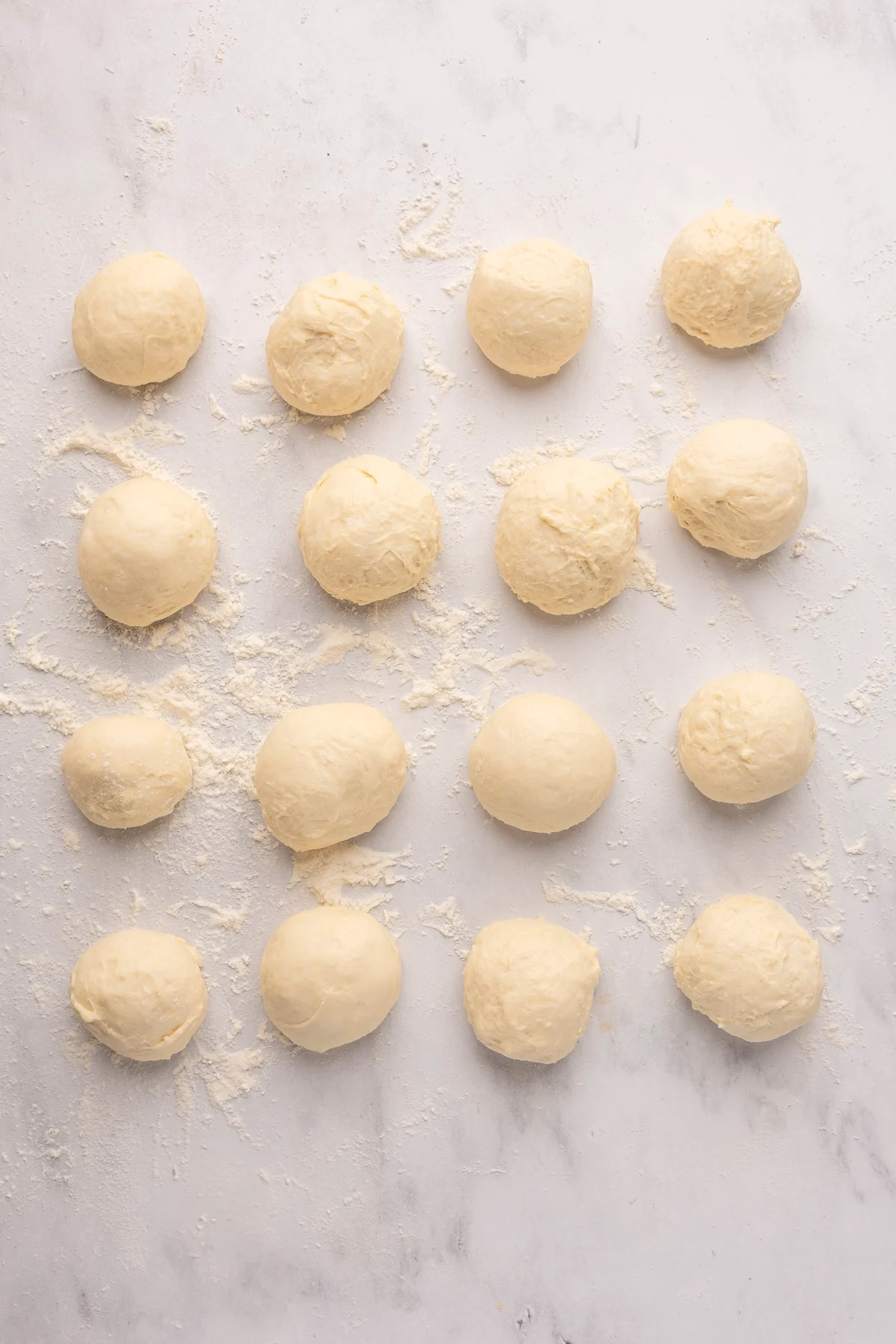
Divide and shape the dough: Turn the dough onto a generously floured surface and gently shape it into a rectangle. Divide it into 4 portions, then cut each into 4 pieces to make 16 total and shape into smooth balls.
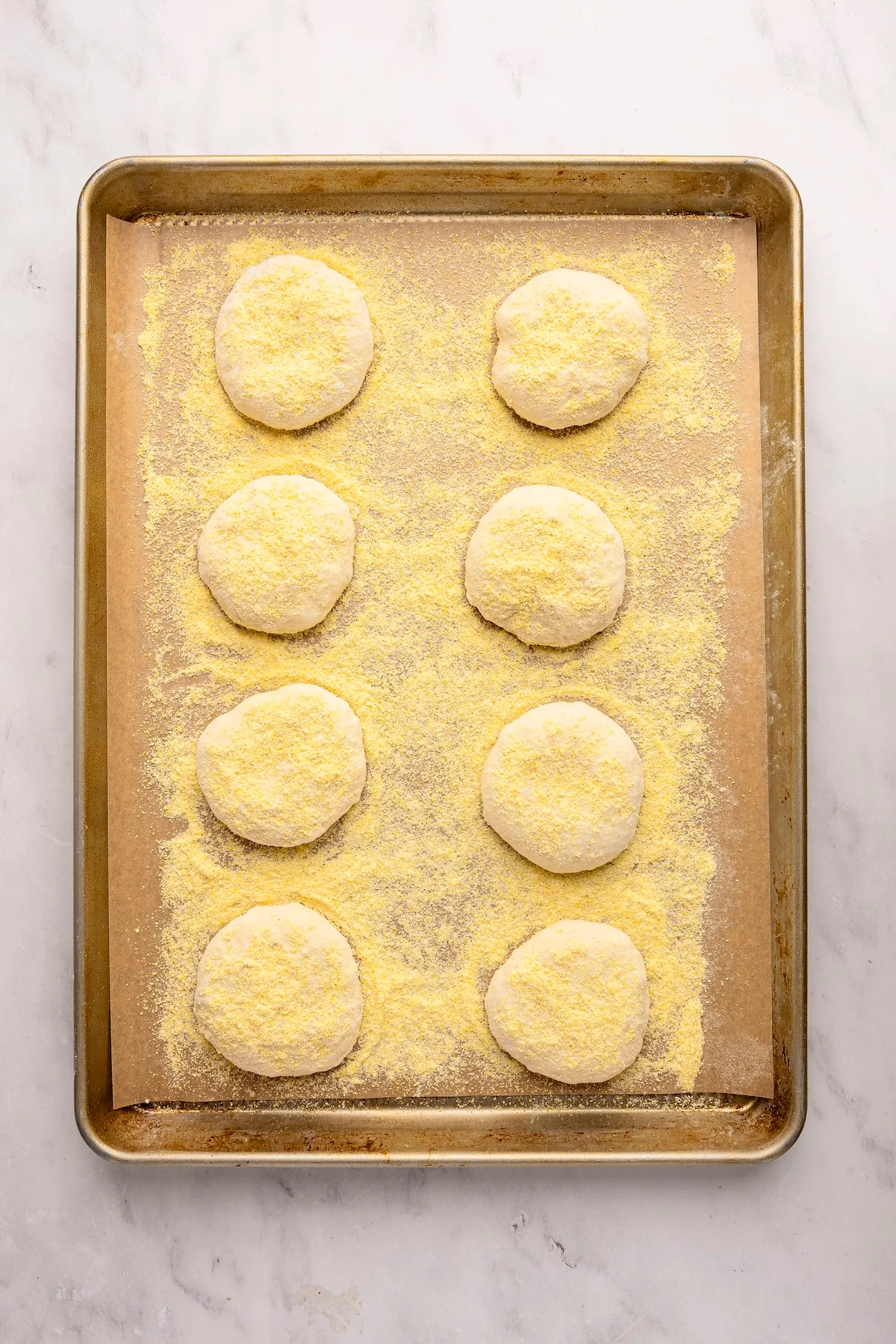
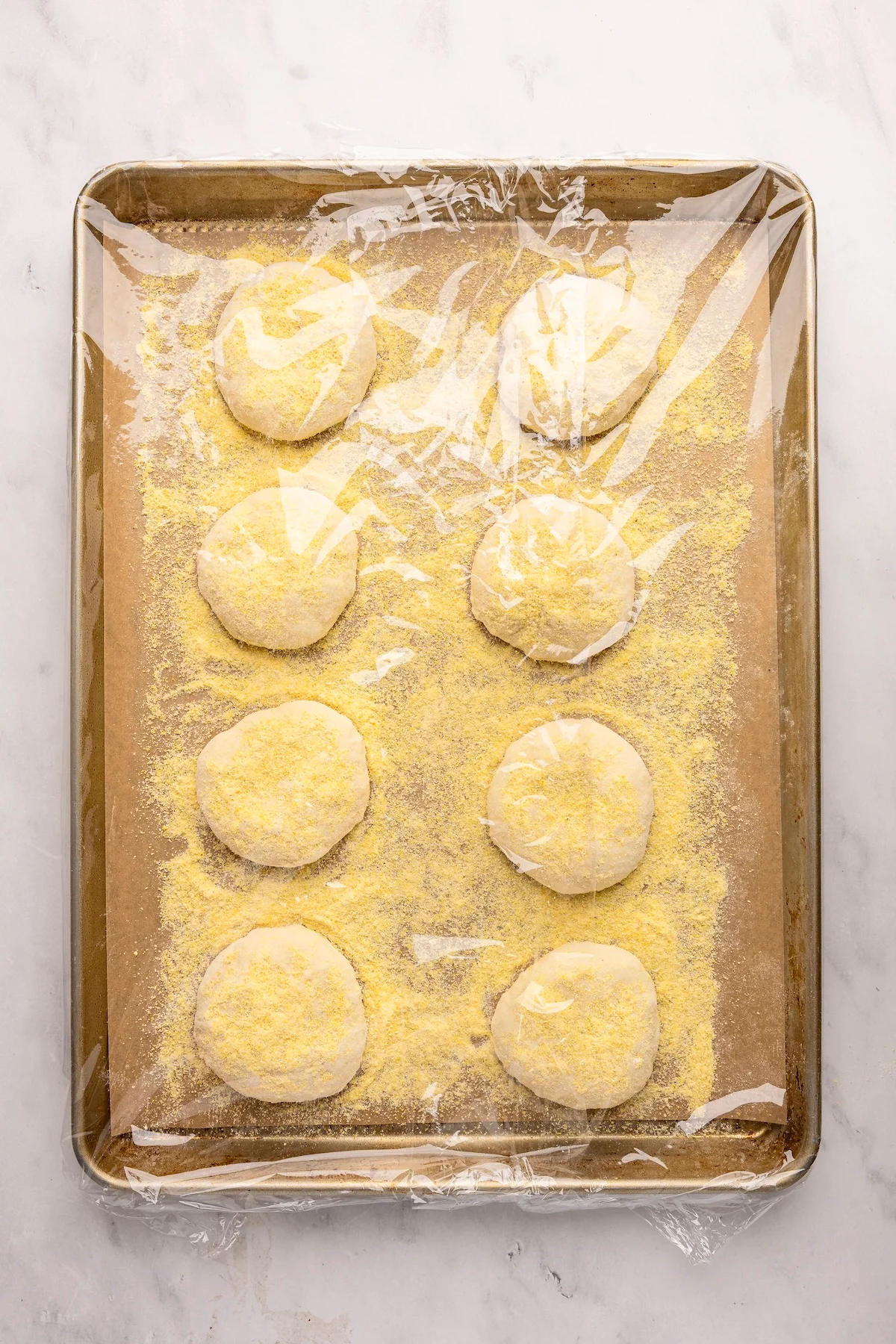
Flatten and rest: Flatten the balls into 3-inch rounds and arrange on two parchment-lined baking sheets dusted with cornmeal. Sprinkle a little more cornmeal on top, cover loosely, and let rest until puffy, 20 to 40 minutes.
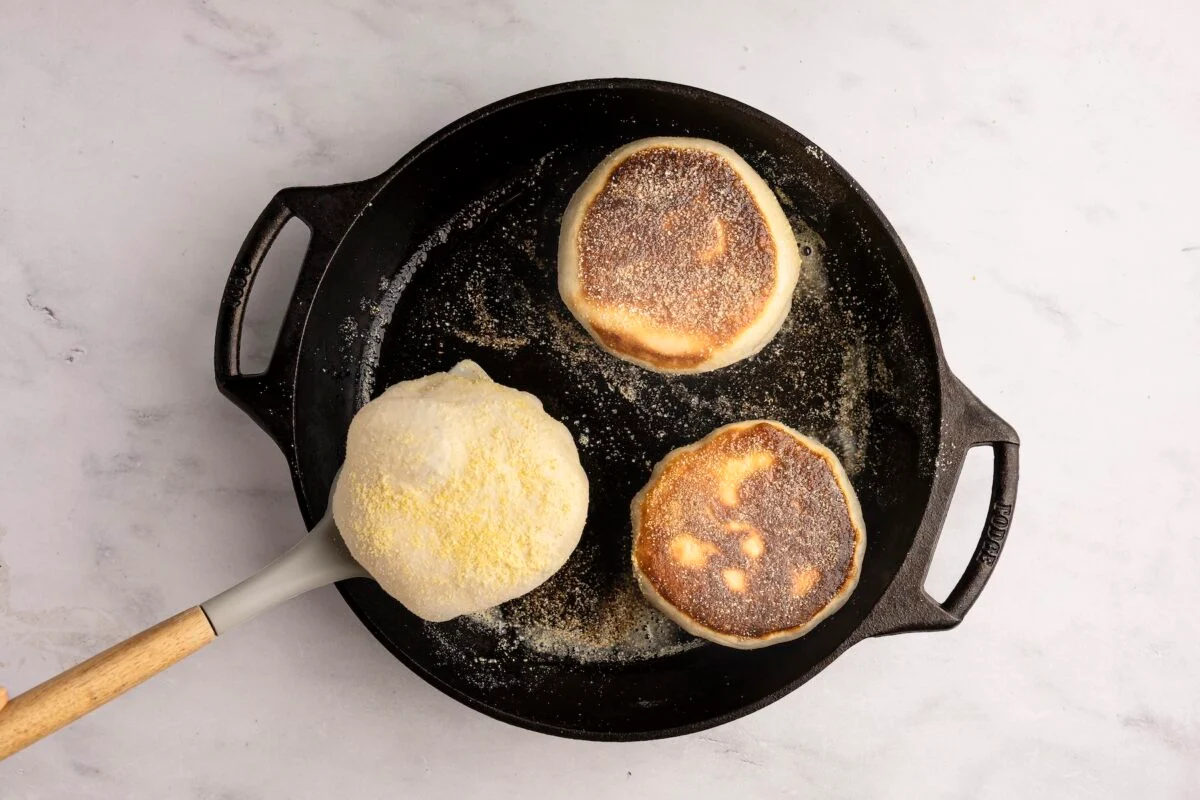
Cook the muffins: Grease a large griddle or skillet with vegetable oil and heat over medium-low. Once hot, add as many muffins as will comfortably fit and cook for about 5 minutes per side, until golden brown.
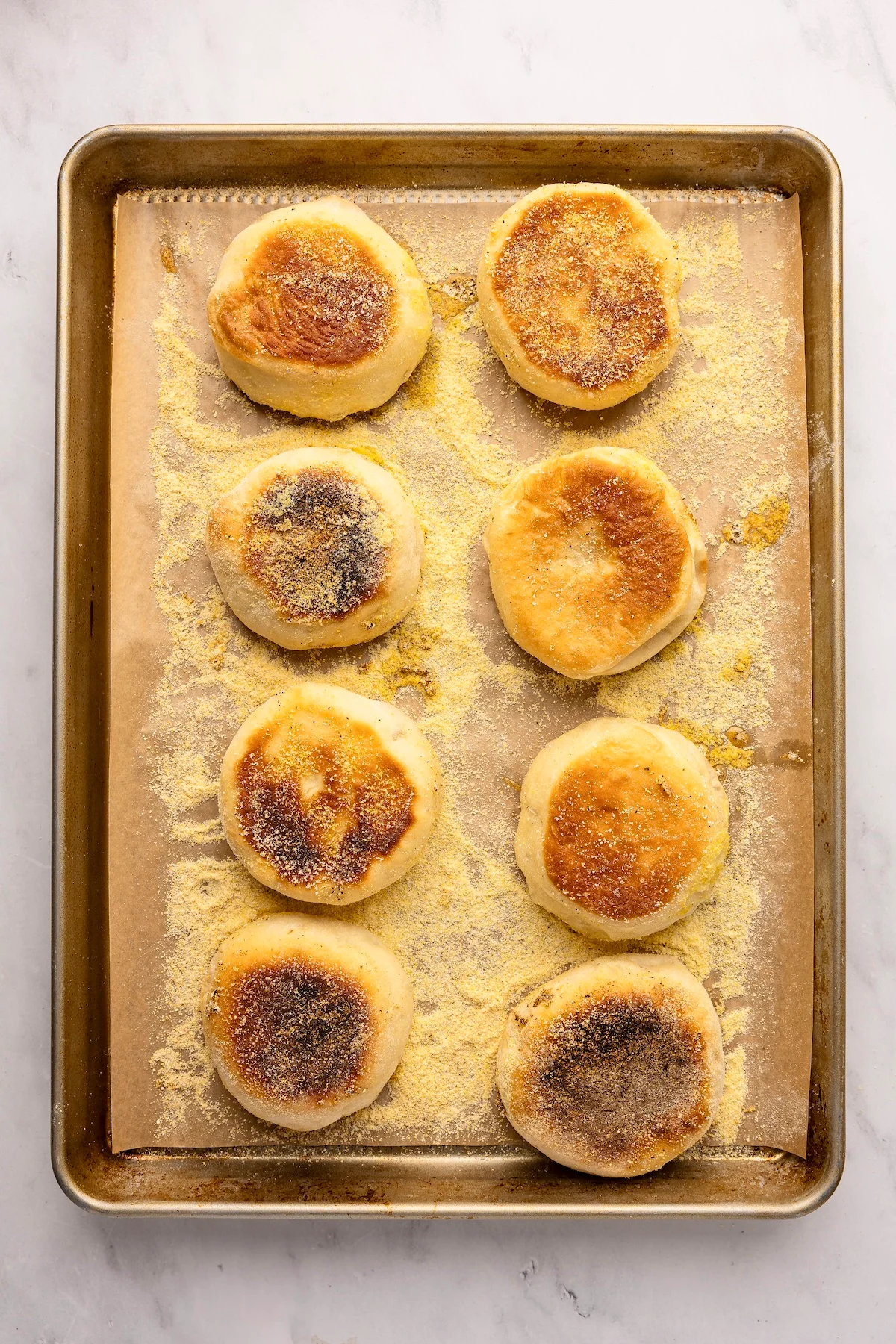
Finish baking and serve: Pop the browned muffins back in the oven for about 10 minutes, until the centers reach 200°F. Let cool for at least 10 minutes to prevent gummy centers. Enjoy warm or lightly toasted.
How To Split English Muffins
Here’s a little trick for getting those wonderful nooks and crannies: instead of slicing your English muffins with a knife, split them with a fork. Insert the tines of a fork into the side of the muffin, working your way around the entire edge. Then gently pull the two halves apart. The uneven, craggy surfaces are perfect for catching melted butter and jam—and they toast up beautifully, too!
How To Store & Freeze English Muffins
English muffins are best enjoyed fresh, but they store and freeze well. Once completely cool, store in an airtight container or resealable bag at room temperature for up to 3 days. For longer storage, split the muffins with a fork and freeze in a freezer-safe bag for up to 3 months, pressing out as much air as possible. When ready to eat, toast the frozen halves—no need to thaw first.

English Muffins
These homemade English muffins are golden and lightly crisp on the outside, soft and chewy on the inside, and full of those classic nooks and crannies.
Servings 16 English muffins
Calories 154kcal
Ingredients
- 4 cups + 2 tablespoons bread flour, spooned into measuring cup and leveled-off
- 1½ teaspoons salt
- 2 tablespoons granulated sugar
- 2 teaspoons instant yeast (this is just shy of one packet)
- 2 tablespoons unsalted butter, softened
- 1 cup water, lukewarm
- ¾ cup whole or 2% milk, lukewarm (whole milk preferred)
- 1 large egg, lightly beaten
- Vegetable oil, for greasing the bowl and oiling the pan
- Cornmeal, for dusting
US Customary – Metric
Instructions
- In the bowl of a stand mixer fitted with the paddle attachment (yes, that’s correct—this is a very wet dough), combine the flour, salt, sugar, and yeast. Mix briefly to combine.
- Add the butter, water, milk, and egg. Beat on medium-high speed for 6 to 10 minutes, until the dough is smooth and shiny, pulls away from the sides of the bowl, and clings to the paddle (it will still stick to the bottom). Be patient—it may take time, but the dough will suddenly pull away. When you lift the beater, the dough should be very sticky and stretchy. Stay close to the mixer, as it may shift on the counter at this speed.
- Grease a large bowl with nonstick cooking spray or oil. Dust your hands with flour, scrape the dough into the bowl, and turn it over so the top is lightly greased.
- Cover with plastic wrap and let rise using one of these two methods (see note): Same day: Let rise in a warm, draft-free spot until puffy and doubled in volume, 1 to 1½ hours.Overnight: Let rise in the refrigerator overnight, up to 24 hours.
- Line two baking sheets with parchment paper and dust lightly with cornmeal.
- Generously flour a work surface and keep some extra flour nearby for your hands and tools. Turn the dough out onto the work surface and, using a floured bench scraper, gently shape it into a rough rectangle.
- Divide the dough into 4 equal portions, then divide each portion into 4 pieces to make 16 pieces total. For the most evenly sized muffins, use a kitchen scale; each piece should weigh 65 to 70 g.
- Shape each piece into a smooth ball, then gently flatten into a round about 3 in (8 cm) in diameter. Divide the rounds between the prepared baking sheets, pressing gently so the cornmeal adheres to the bottom; this prevents sticking and creates a lovely crunchy crust once griddled and baked. Sprinkle the tops lightly with cornmeal as well.
- Cover loosely with plastic wrap and let rest until slightly risen and puffy, 20 to 25 minutes. (If you let the dough rise in the fridge, you'll need to let them rest a bit longer, about 40 minutes.)
- While the muffins are resting, preheat the oven to 350°F (175°C) and set two racks in the centermost positions.
- Grease a large griddle or skillet (preferably nonstick) with 1 tablespoon vegetable oil and set it over medium-low heat. When hot, add as many muffins as will comfortably fit, leaving at least 1 in (2.5 cm) between them. Cook until golden brown, about 5 minutes per side, adjusting the heat as needed so they brown without burning. The muffins will puff up as they cook—that's normal.
- As the muffins brown, return them to the cornmeal-dusted baking sheets. Repeat with the remaining muffins, adding more oil as needed. Once all are browned, transfer the baking sheets to the oven and bake for about 10 minutes, or until the centers register 200°F (93°C) on an instant-read thermometer.
- Let the muffins cool on the baking sheets for at least 10 minutes before splitting (cutting into them while piping hot can make the crumb gummy).
- To split, insert the tines of a fork deeply into the sides of the muffin, almost to the center, repeating all the way around. Gently pull the halves apart to reveal all those nooks and crannies. Enjoy warm as is, or toast lightly if you prefer a crisper English muffin.
Notes
Both rising options produce delicious muffins, but the overnight fridge rise gives the best flavor and texture, since the slow, cold fermentation gives the yeast more time to develop flavor and lets the gluten relax, resulting in a more complex taste and a more open, tender crumb.
Nutrition
Per serving (16 servings) Calories: 154kcal | Carbohydrates: 27g | Protein: 5g | Fat: 3g | Saturated Fat: 1g | Cholesterol: 17mg | Sodium: 122mg | Fiber: 1g | Sugar: 2g
Nutritional Data Disclaimer
This website is written and produced for informational purposes only. I am not a certified nutritionist and the nutritional data on this site has not been evaluated or approved by a nutritionist or the Food and Drug Administration. Nutritional information is offered as a courtesy and should not be construed as a guarantee. The data is calculated through an online nutritional calculator, Edamam.com. Although I do my best to provide accurate nutritional information, these figures should be considered estimates only. Varying factors such as product types or brands purchased, natural fluctuations in fresh produce, and the way ingredients are processed change the effective nutritional information in any given recipe. Furthermore, different online calculators provide different results depending on their own nutrition fact sources and algorithms. To obtain the most accurate nutritional information in a given recipe, you should calculate the nutritional information with the actual ingredients used in your recipe, using your preferred nutrition calculator.
More Homemade Breakfast Breads To Try
 Miraculous Homemade Bagel Recipe
 Challah
 Irish Soda Bread Muffins
 Drop Biscuits
The post English Muffins appeared first on Once Upon a Chef.