From fried chicken and sandwiches to wings and salads, chicken remains one of the most competitive categories in the U.S. restaurant industry. Once considered a safe, broadly appealing menu staple, new chicken concepts continue to launch while established brands expand. Despite the category’s density, chicken remains one of the most dynamic opportunities in restaurants today. It is undeniably crowded, but not one-dimensional. Consumers are seeking concepts that stand out, and the strongest brands are doing more than serving chicken. They’re delivering complete guest experiences built around differentiation, hospitality, and consistency. As the industry looks ahead to 2026, credibility and connection will matter more than volume and trends.
Why Chicken Continues to Win with Consumers
Chicken has always been at the center of conversation when it comes to protein in restaurants. Its versatility offers operational advantages, adapting across price points and occasions. From quick lunches and family dinners to catering and takeout. Protein is what consumers are looking for today because it provides value along with enjoyment. Guests receive a sense of satisfaction in a nourishing meal choice without sacrificing flavor. As diners become more conscious of where they spend their dollars, protein-centered options have lasting appeal and substance, which serves as a foundation for building trust instead of becoming another dietary trend.
New concepts often chase existing formats and flavors, but consumers gravitate toward brands that know their strengths and deliver value. In this industry, success is defined not by who serves chicken, but by how and why they serve it.
Specialization Is the New Standard
Chicken’s familiarity and flexibility position it uniquely in the protein landscape. Its versatility drives rapid growth, operational efficiency, scalable systems, and strong demand. Brands can innovate through flavors, sauces, and formats without overhauling core menus, helping them stay relevant.
The sheer volume of chicken concepts has led to a shift toward clarity. Over the past several years, the category has evolved into specialization. Once served under a broad umbrella, today’s consumers think of chicken in the subcategories of salads, sandwiches, and wings. This has raised the expectations for brands. They can no longer simply offer chicken - they must define the kind of chicken experience they deliver. Alongside this shift, the bar has also been raised for speed and digital ordering. Brands are competing beyond the entrée, using beverages, sides, and desserts to further differentiate themselves. Secondary menu categories are critical for building frequency, increasing check averages, and strengthening brand attachment.
Redefining What a Chicken Brand Can Be
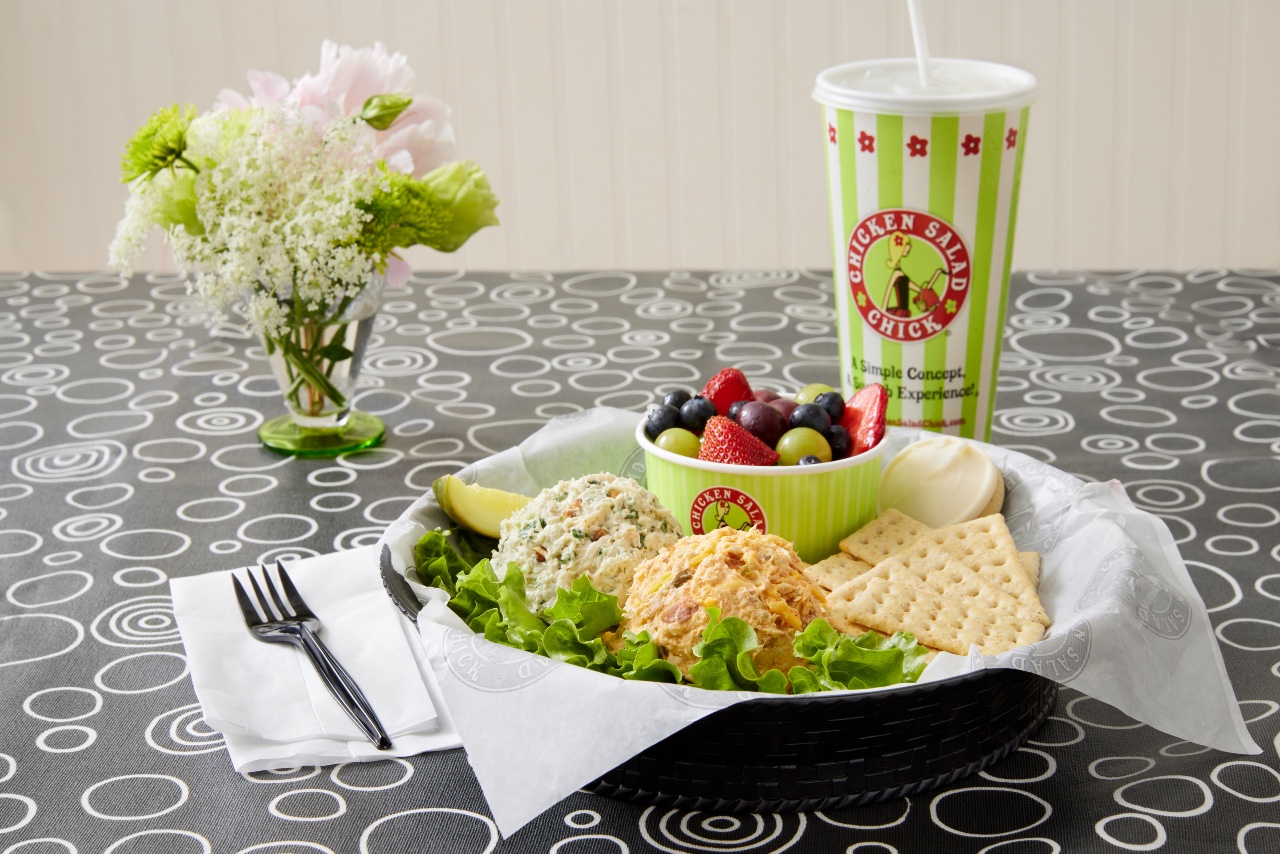
In a category that is dominated by fried and sandwich concepts, differentiation fuels longevity. Some chicken brands have found opportunities to define themselves by building around a niche. Chicken Salad Chick is built around made-from-scratch chicken salad offered in a wide variety of flavors that encourage rotation, choice, and frequency. Offering multiple flavor profiles within a single core format encourages choice and repeat visits while delivering the familiarity guests want. Consumers are becoming more intentional about what they eat, and menus are featuring fresh options to align with today’s dining preferences. This adaptation demonstrates how differentiation can support long-term relevance. In this increasingly segmented landscape, concepts that succeed are those that understand their lane and execute it with discipline.
Differentiation extends beyond food. As expectations rise, brands that are focused on freshness and choice, not on novelty and trend-chasing, are better positioned to build lasting relationships with guests. These attributes resonate with a broad audience of modern consumers, seeking meals that feel satisfying without being heavy. Chicken Salad Chick has built its identity around hospitality and community to create a space where guests feel welcomed, known, and eager to return. In a crowded category, that emotional connection matters.
Trends Shaping Chicken in 2026
Looking ahead, several forces will define the chicken category’s next chapter. Differentiation will become essential as signature flavors serve as key drivers of brand identity. Hospitality and community connection will play an increasingly important role, with concepts that feel local and genuinely welcoming standing out. As automation and digital ordering increase, humanizing the guest experience becomes an even more powerful differentiator. At the same time, convenience will remain critical as consumers continue to prioritize ease without compromising quality.
Guests are more price-aware, but they are also more quality-conscious. They are looking for value that feels credible, making transparent pricing, generous portions, and bundled offerings increasingly important. The health-forward variety will continue to influence menus across the sector, not as a replacement for indulgence but as a complement to it. Brands can meet the consumers where they are by creating a broader definition of “better-for-you.” The future of chicken isn’t about doing more - it’s about doing something meaningful, consistently, and at scale.
The growth of chicken will not be measured by new concepts alone, but by which brands endure. Success in 2026 will come to those that double down on what makes them different. They will succeed by offering experiences that feel consistent, welcoming, and worth repeating. Investment in hospitality and consistency offers a significant advantage today’s competitive market.
Chicken’s future is about purpose: building trust through intentional food, human-centered experiences, and brands that feel trustworthy. Chicken may be everywhere, but differentiation is not.