Florentine cookies, sometimes called lace cookies, are one of those treats that feel special the minute they come out of the oven. Made primarily from finely chopped almonds, butter, and brown sugar, they bake up ultra-thin with a toffee-like flavor that’s hard to beat. Then comes the best part: sandwiching them with melted chocolate, which adds richness and makes them much easier to handle (they’re delicate!).
I like to use a mix of milk and bittersweet chocolate for the filling; the combination keeps the flavor well-balanced and lets the cookie itself shine. Florentines are a always a hit on a holiday cookie tray, and they keep beautifully, which makes them ideal for gifting or making ahead.
What You’ll Need To Make Florentine Cookies
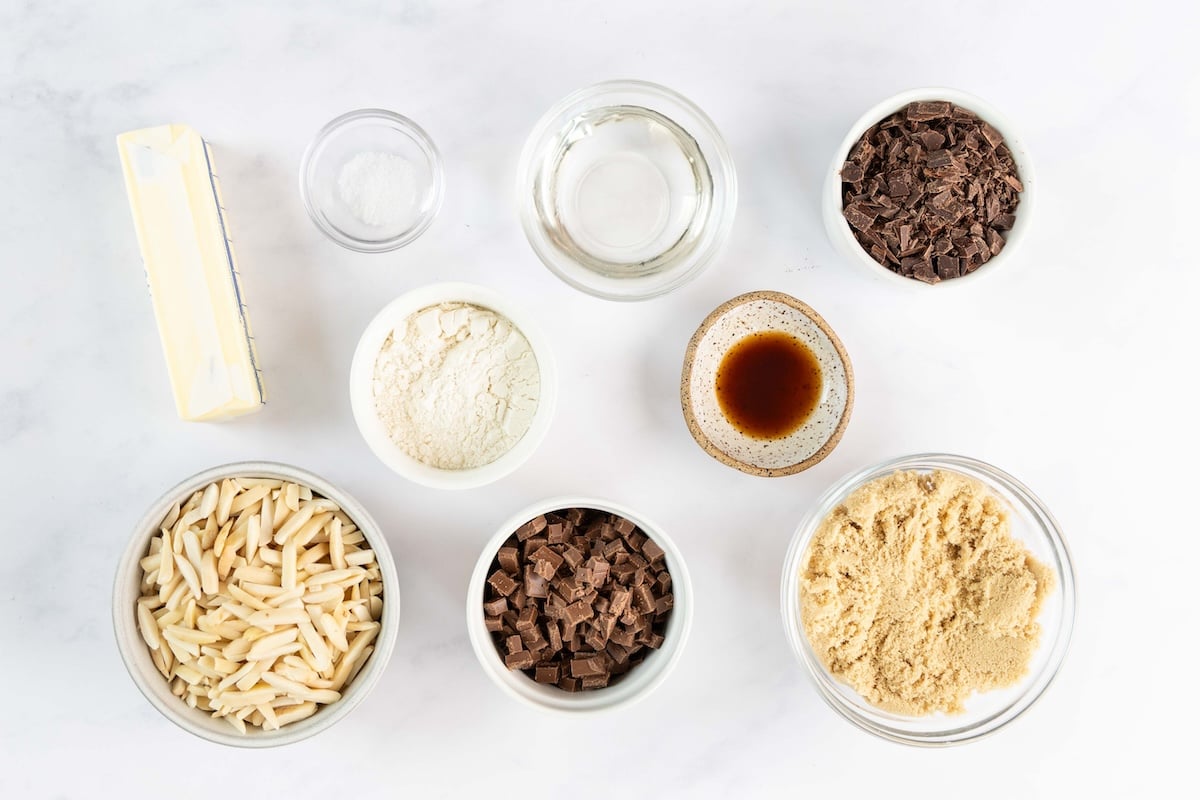
You’ll need slivered almonds, butter, brown sugar, corn syrup, salt, vanilla, flour, milk chocolate, and bittersweet chocolate. See the recipe card for precise measurements.
Step-By-Step Instructions
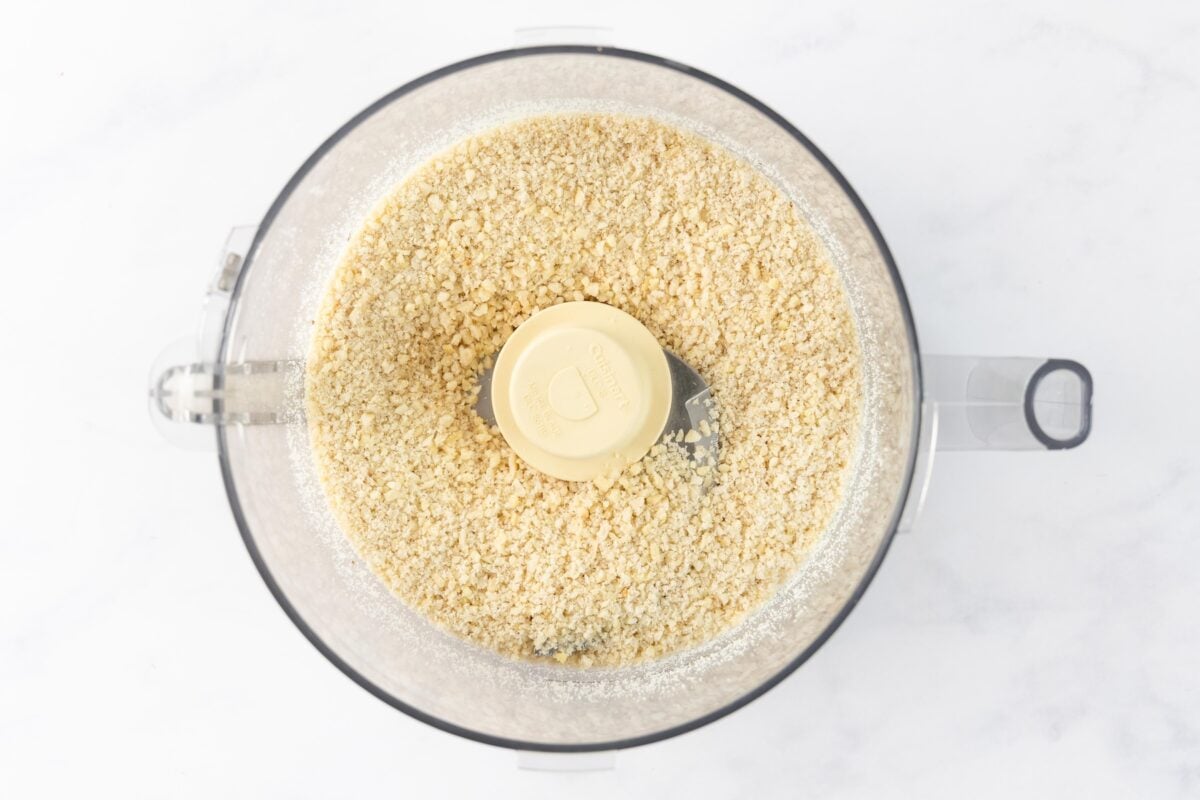
Step 1. Chop the almonds. Place the almonds in a food processor with the metal blade and pulse until finely chopped and crumb-like (between almond flour and very fine nuts; don’t let it turn pasty).
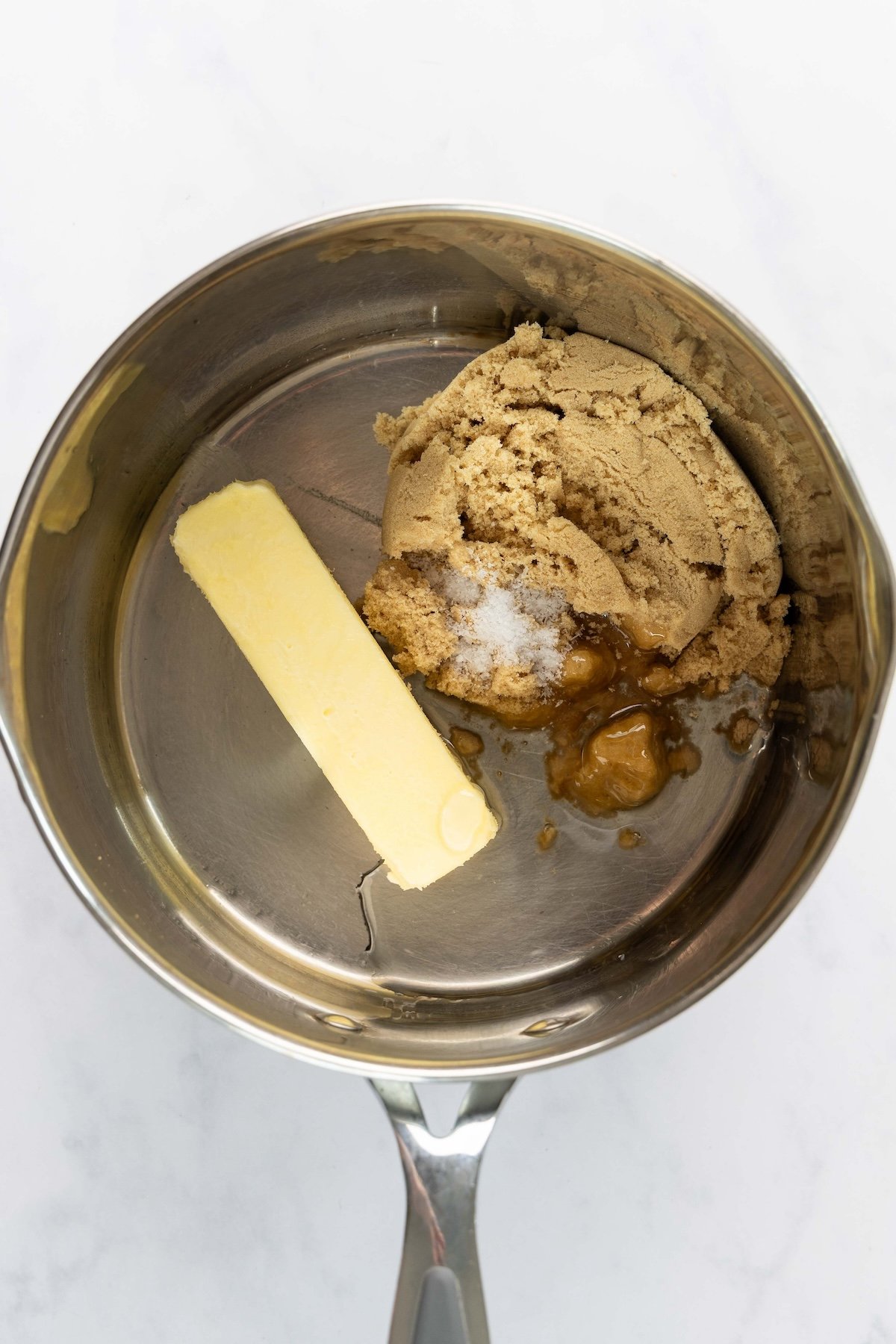
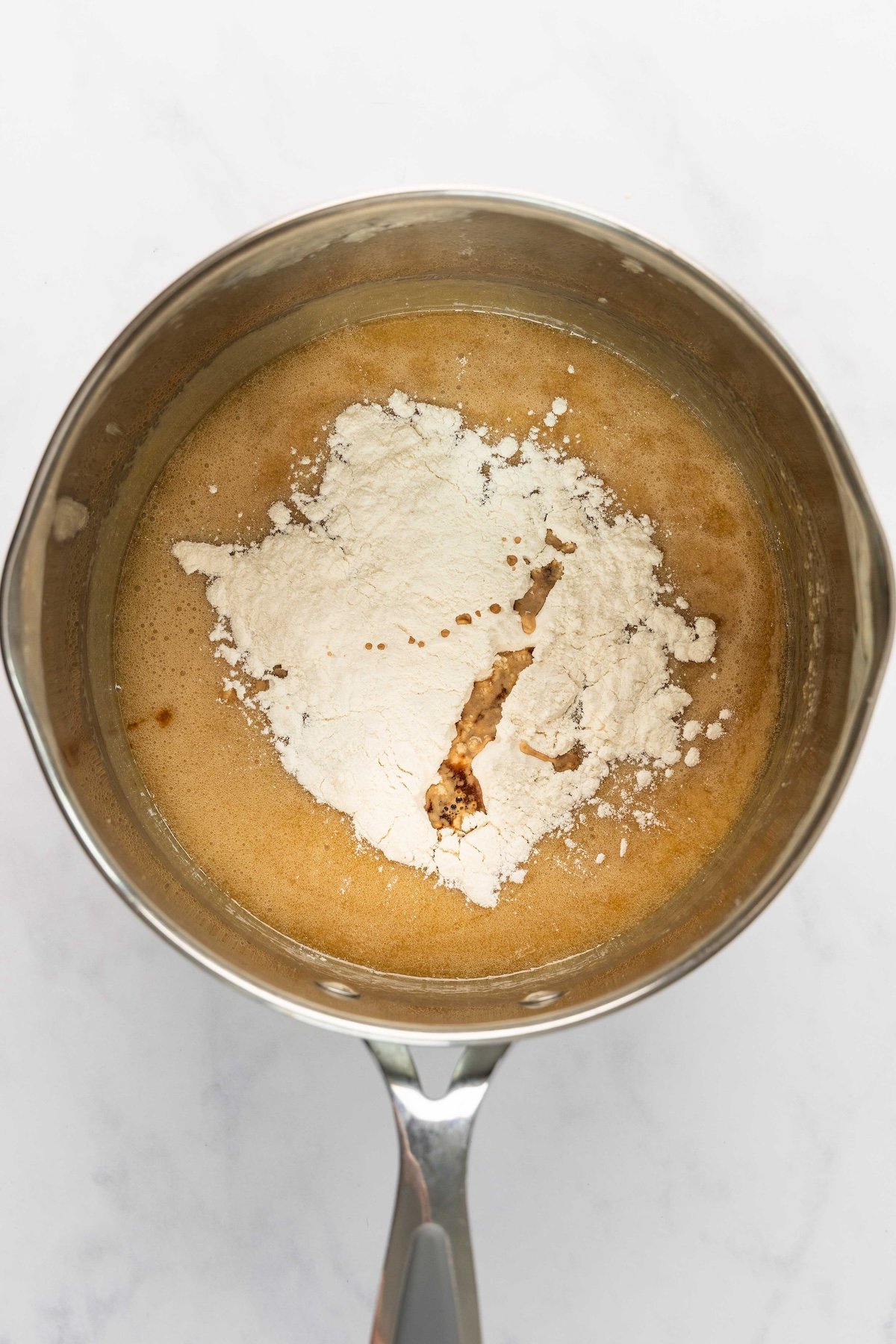
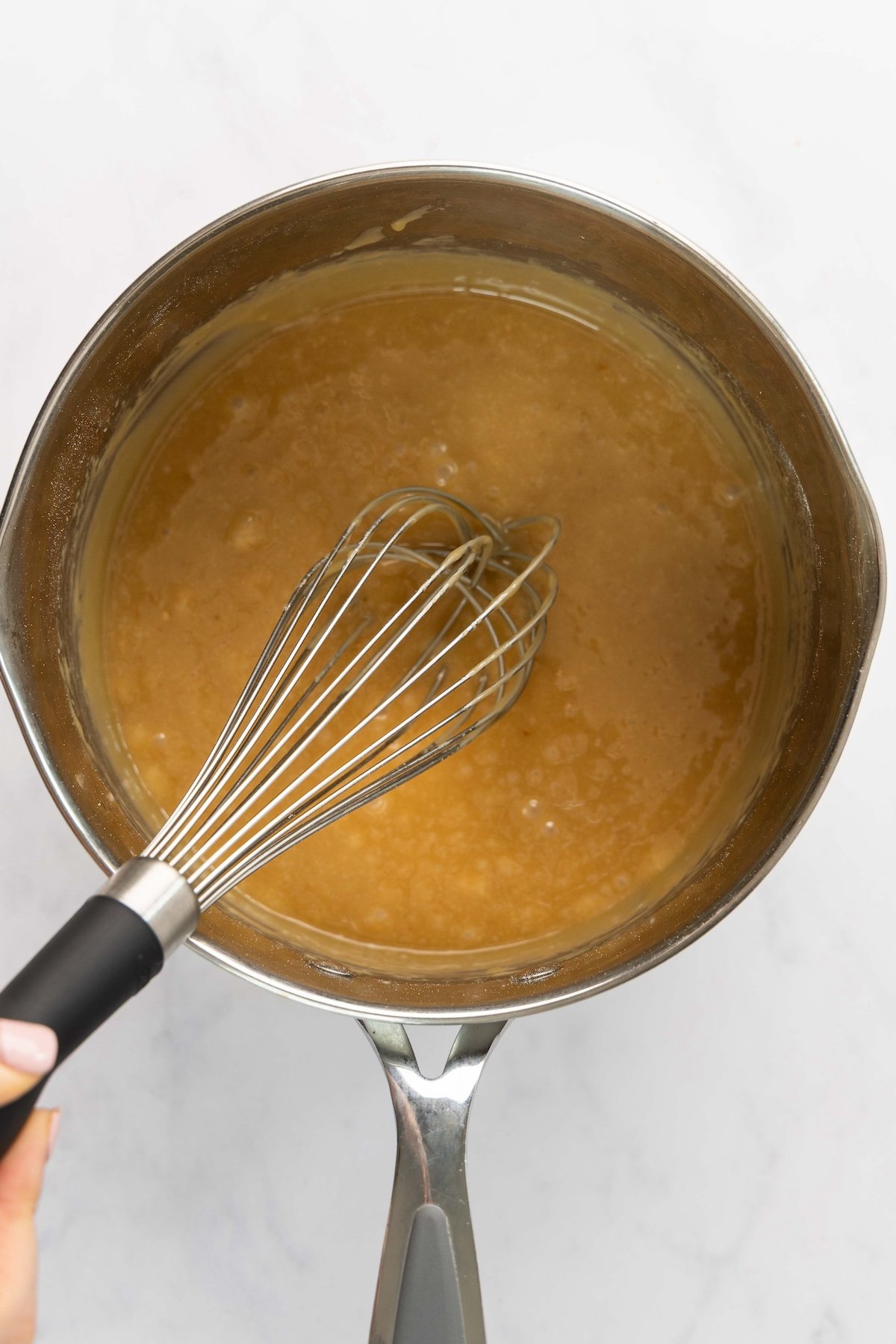
Step 2. Prep the Base. In a medium saucepan, combine the butter, brown sugar, corn syrup, and salt. Set over medium heat and bring to a boil, stirring occasionally, until the sugar dissolves. Whisk in the vanilla and flour until smooth, then stir in the chopped almonds with a spatula.
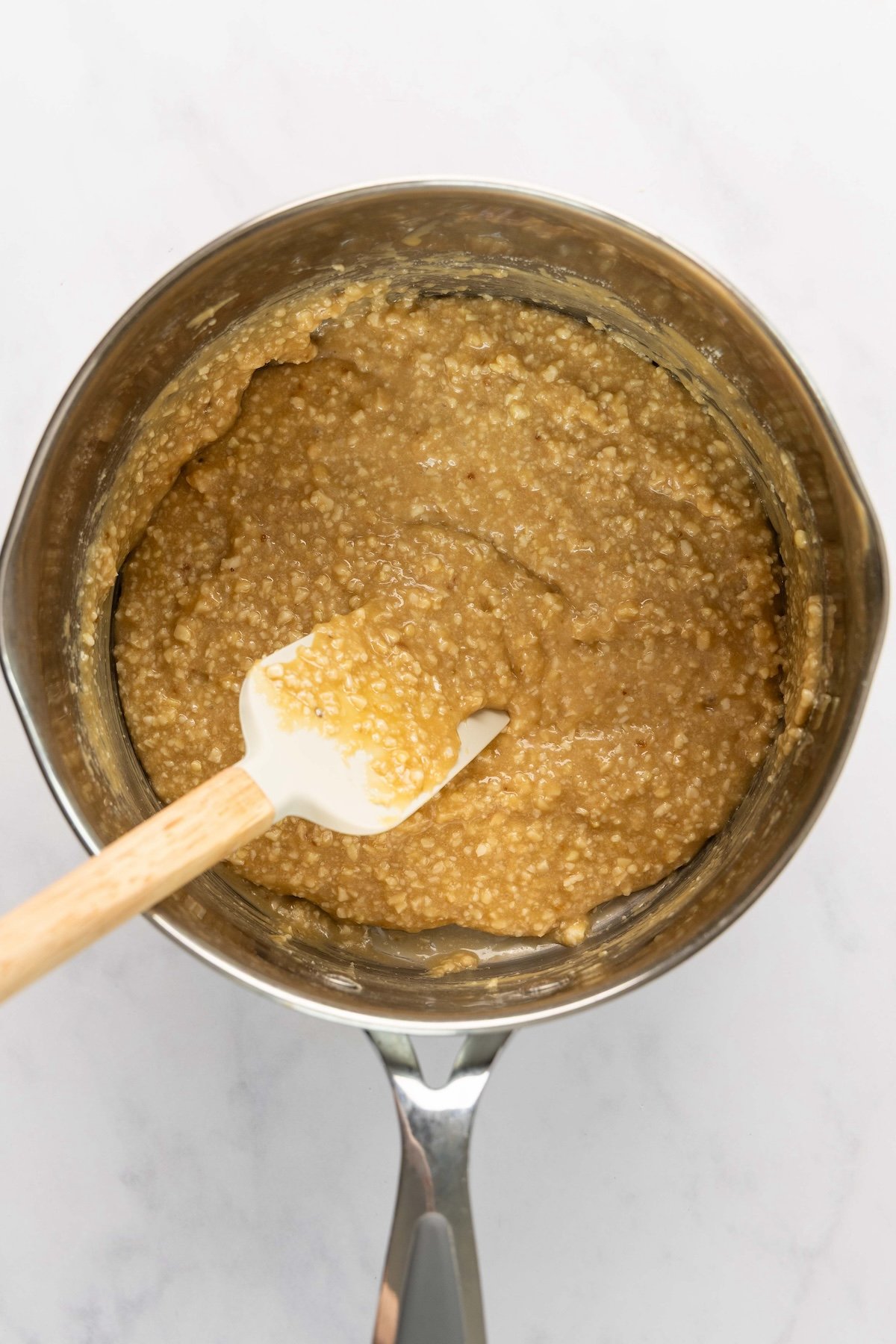
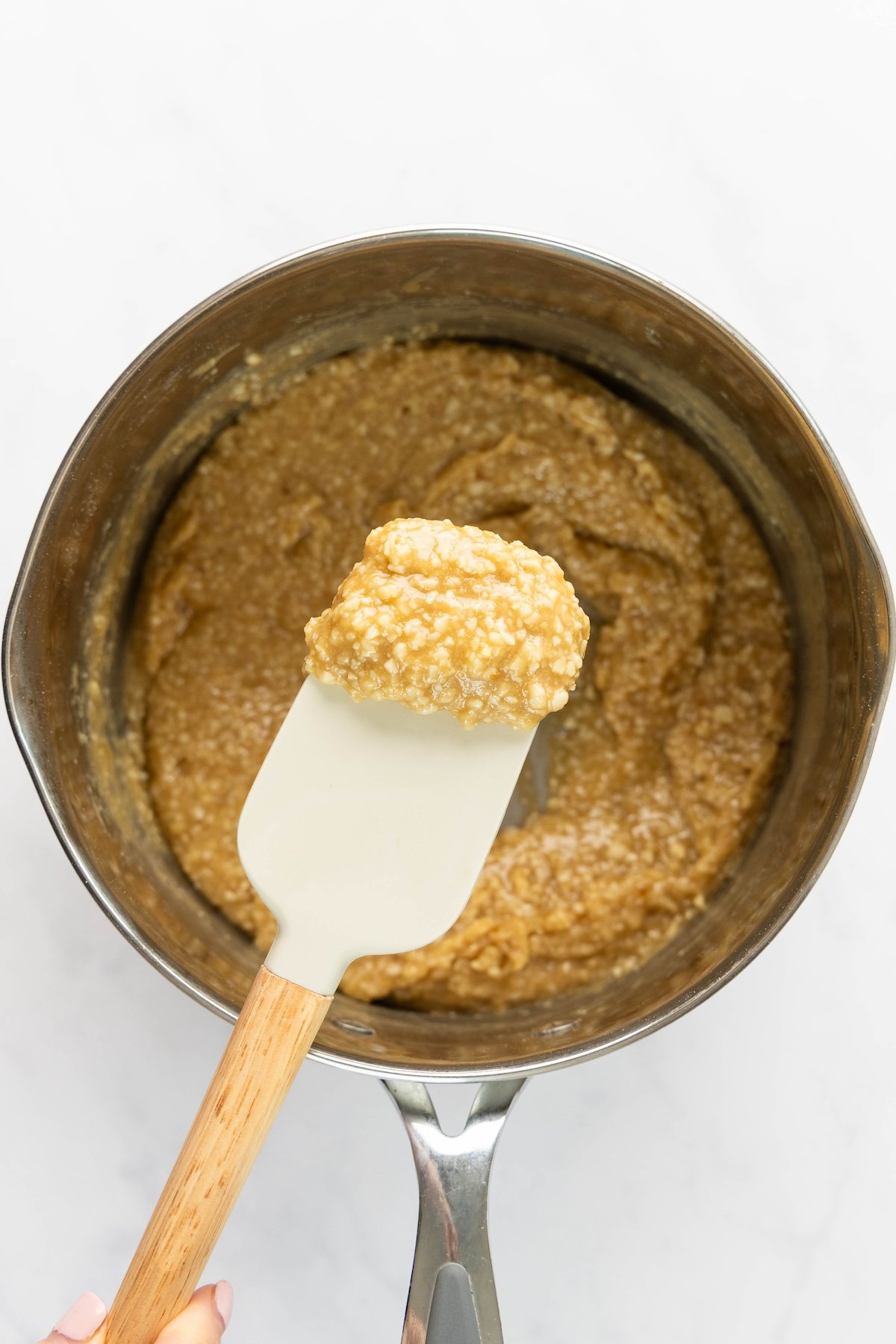
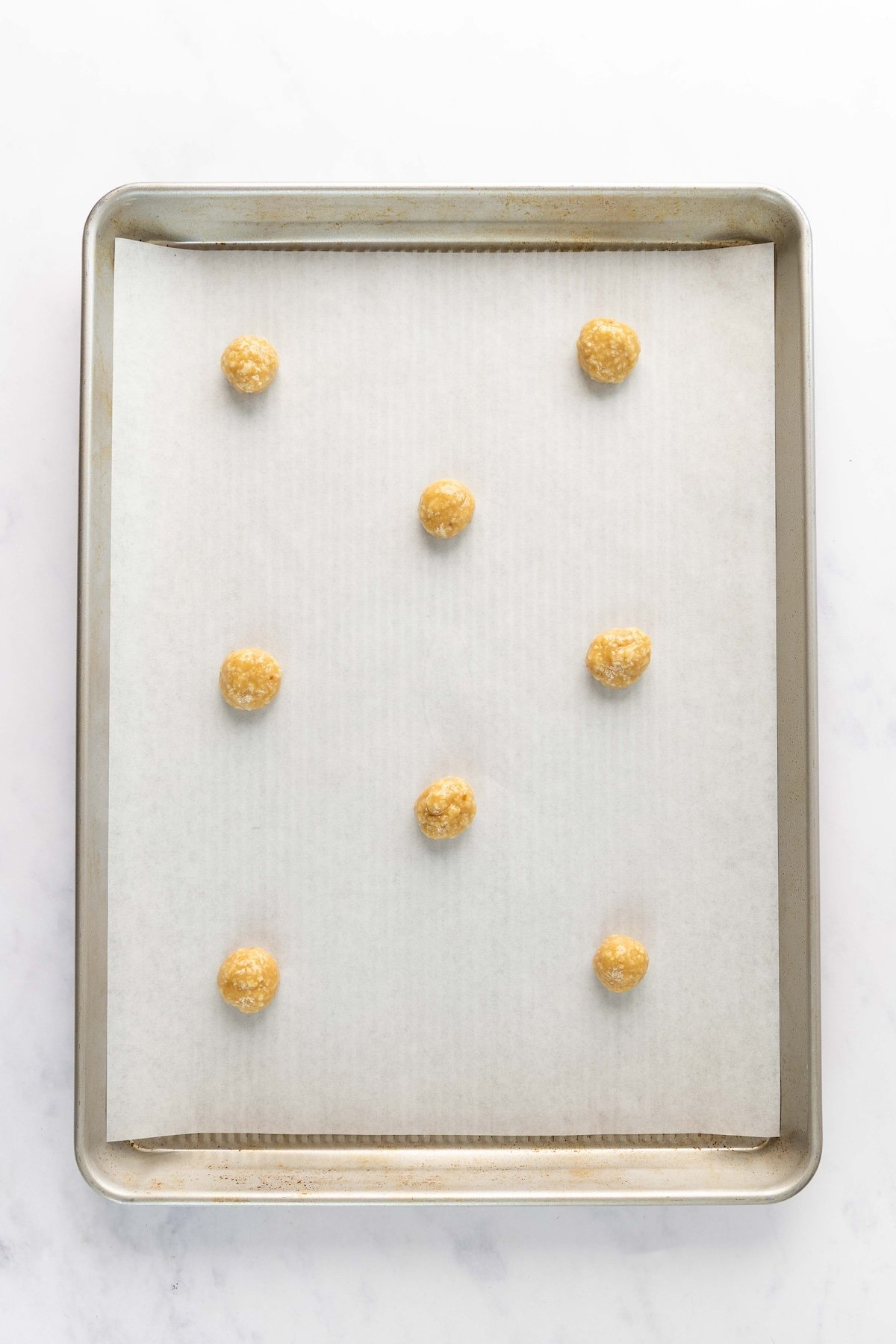
Step 3. Cool and portion. Remove from the heat and let sit 20 to 30 minutes to cool and thicken slightly. Drop 1½-teaspoon portions onto a parchment-lined baking sheet, spacing about 3 inches apart (8 per sheet). Shape edges into neat rounds.
Pro Tip: Think “tiny.” It’s tempting to make bigger scoops, but small is the sweet spot—anything larger than 1½ teaspoons can turn into one giant cookie. If a cookie spreads unevenly while baking, use a spoon to nudge the edges back into a neater circle right as it comes out of the oven (you’ve got 10 to 15 seconds before it firms up).
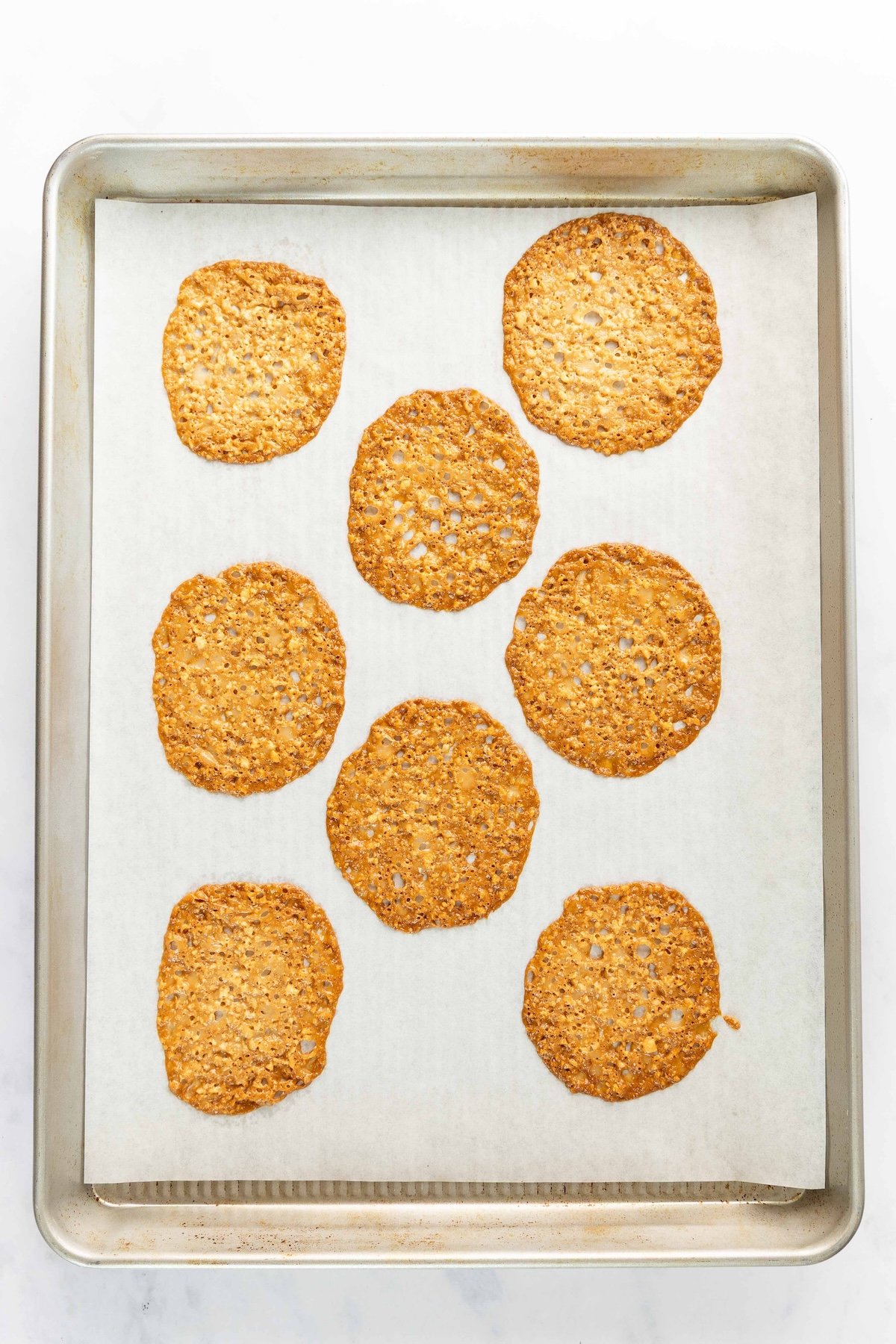
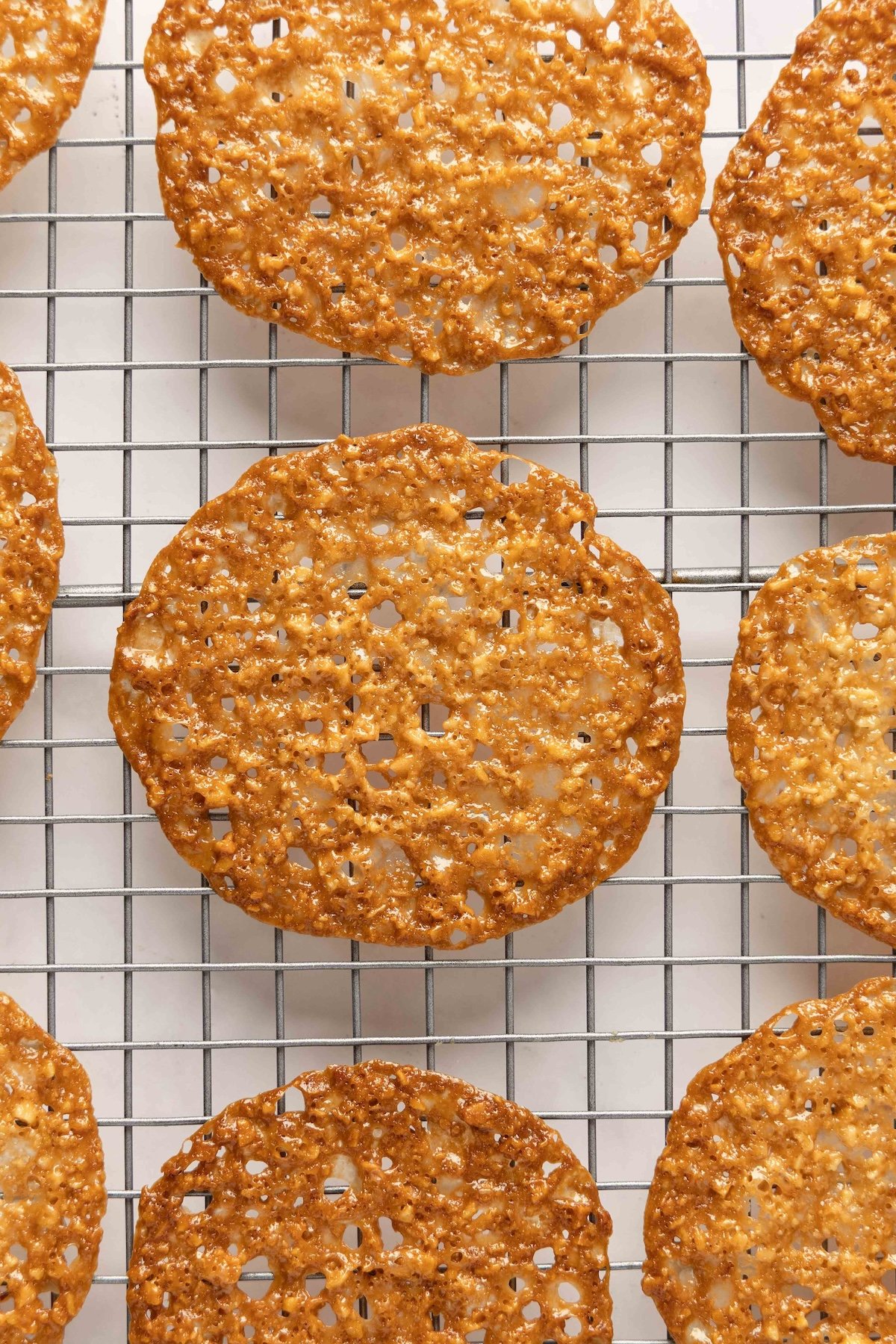
Step 4. Bake and cool. Bake at 350°F for 8 to 11 minutes, until evenly golden with a butterscotch color. Slide the parchment onto the counter to cool. Once crisp, about 5 minutes, gently peel off and transfer to a rack. Repeat with remaining batter.
Pro Tip: For the most even results, bake one sheet at a time. These cookies are delicate and need steady heat to brown and spread evenly. If you really want to bake two sheets at once, you can, but be sure to rotate the pans and swap oven racks halfway through. And if you’re baking one at a time, use the downtime to prep and portion the next batch so it’s ready to slide in.
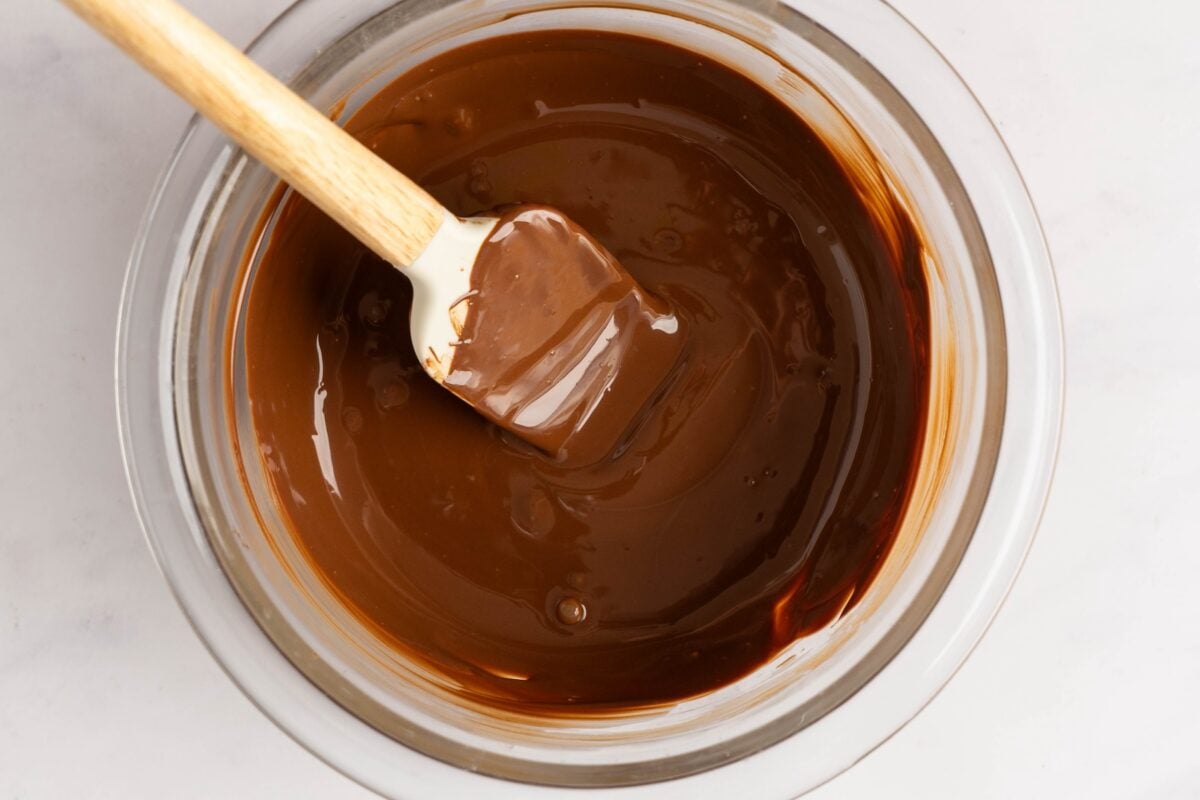
Step 5. Melt the chocolate. Place both chocolates in a small microwave-safe bowl. Microwave in 20-second bursts, stirring between each, until ~75% melted, then stir until fully smooth (residual heat finishes the job).
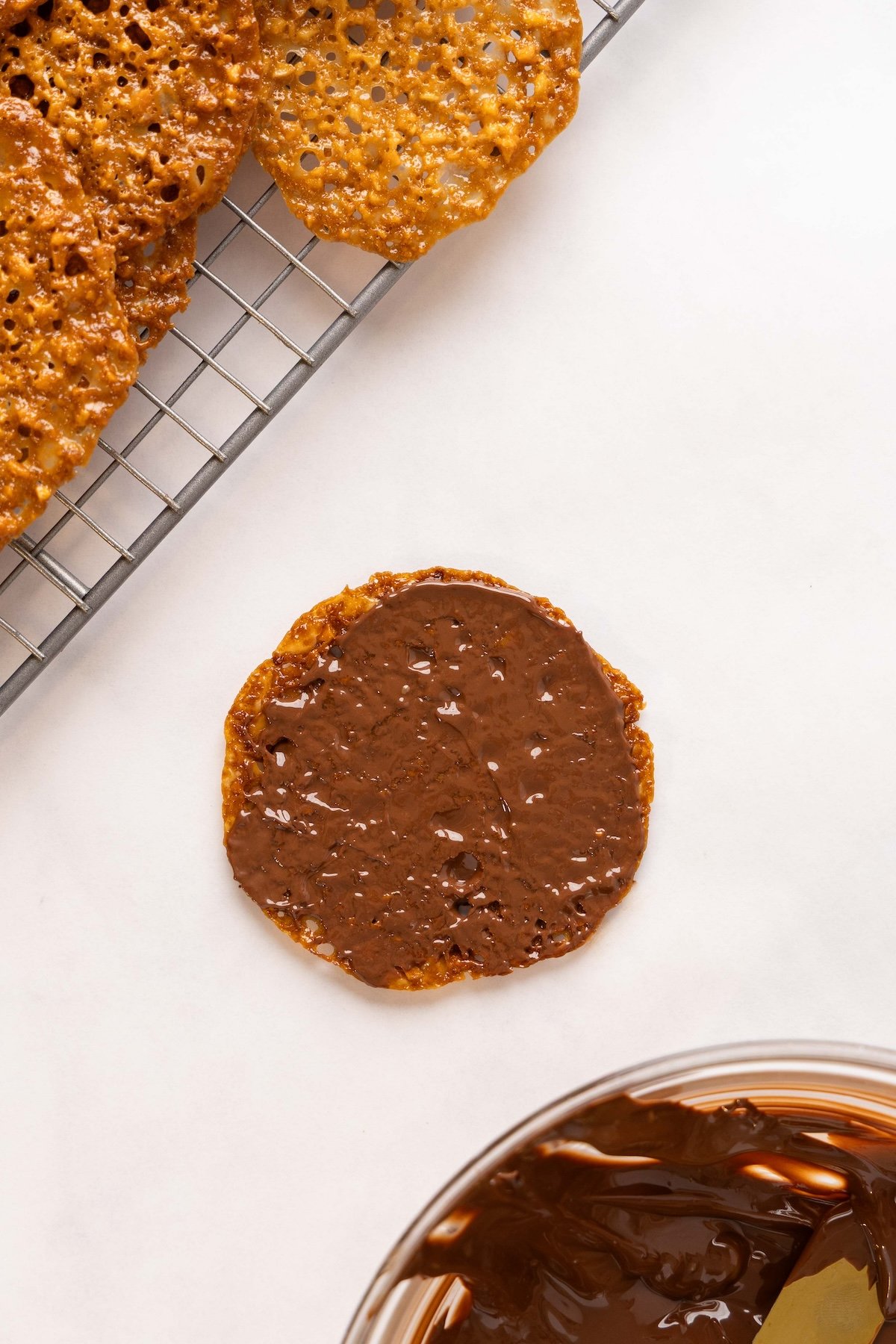
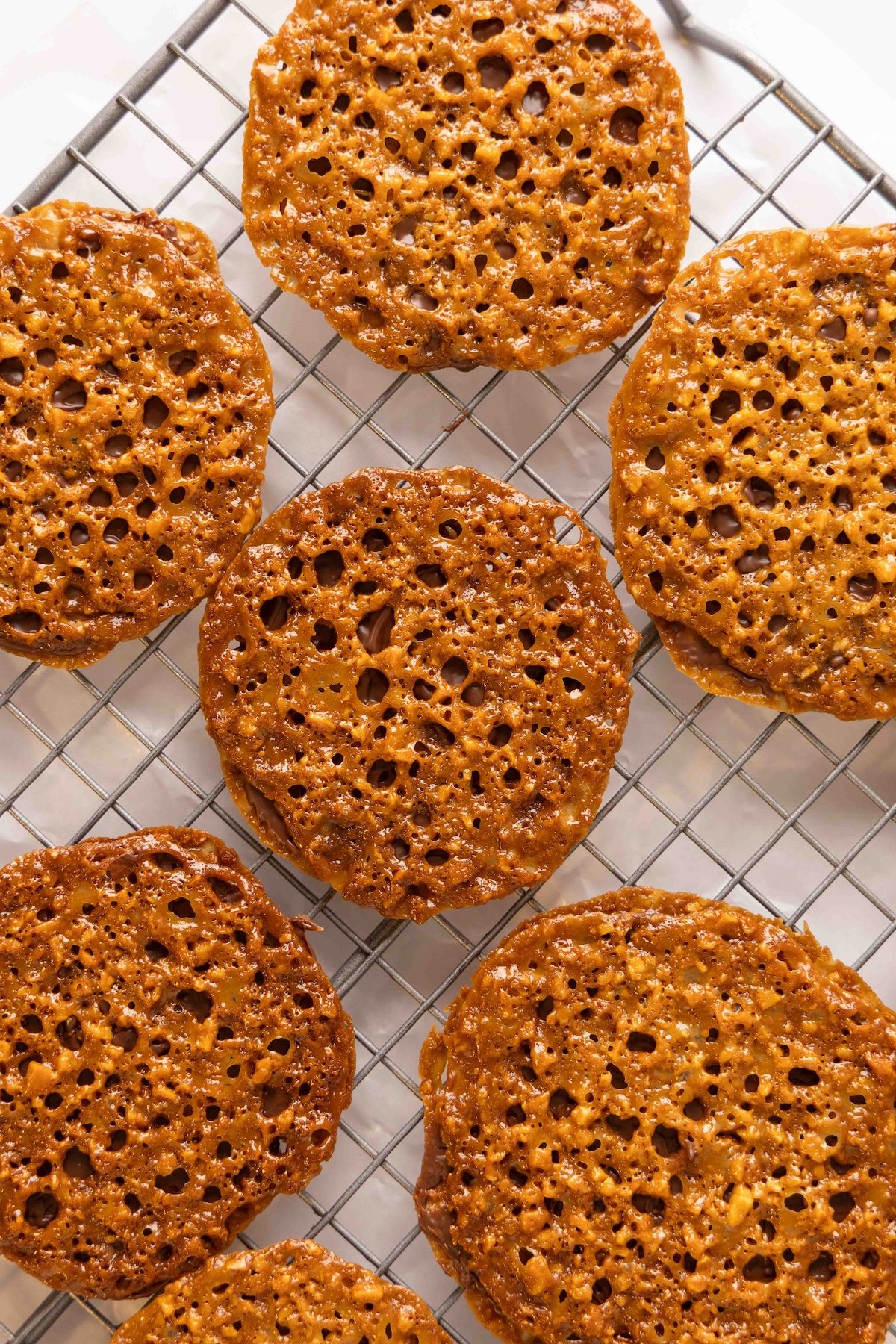
Step 6. Sandwich the cookies and let set. When the cookies are completely cool, spread a thin layer of chocolate on the flat side of one cookie and press another on top, flat-side down. Repeat. Let sit until the chocolate sets, about 30 minutes. They’re even better after a few hours or the next day, when they soften slightly to that crisp-but-not-brittle stage.
Pro Tips: Want perfectly even sandwiches? Match cookies in pairs before you start assembling—since each one spreads differently, this saves time, reduces breakage, and makes prettier sandwiches.
More Cookie Recipes You’ll Love
 25 Best Christmas Cookies
 Coconut Macaroons
 Biscotti
 Old-Fashioned Molasses Cookies

Florentine Cookies
Lacy almond cookies with a rich chocolate filling—these Florentines are easy to make and always one of the first to disappear from the holiday cookie tray.
Servings 30 sandwich cookies
Calories 111kcal
Ingredients
For the Cookies
- 1½ cups slivered almonds
- ½ cup (1 stick) unsalted butter
- ⅔ cup (packed) light brown sugar
- ¼ cup light corn syrup
- Heaping ¼ teaspoon salt
- 1 teaspoon vanilla extract
- ¼ cup all-purpose flour, spooned into measuring cup and leveled-off
For the Filling
- 3 oz milk chocolate, chopped
- 3 oz bittersweet or semisweet chocolate, chopped
US Customary – Metric
Instructions
- Preheat the oven to 350°F (175°C) and set a rack in the middle position. Line a baking sheet with parchment paper.
- Place the almonds in the bowl of a food processor fitted with the metal blade and pulse until finely chopped and crumblike. You want a texture somewhere between almond flour and finely chopped nuts—don’t let it turn pasty.
- In a medium saucepan, combine the butter, brown sugar, corn syrup, and salt. Set over medium heat and bring to a boil, stirring occasionally, until the sugar is dissolved. Whisk in the vanilla and flour until smooth, then stir in the chopped almonds with a spatula. Remove from the heat and let sit for 20 to 30 minutes to cool and thicken slightly.
- Drop 1½-teaspoon spoonfuls of batter onto the prepared baking sheet, spacing them about 3 in (8 cm) apart (you should fit 8 per sheet). These look like tiny mounds, but don’t be tempted to make them bigger—they spread a lot. Use your fingers to shape the edges into neat rounds.
- Bake for 8 to 11 minutes, until evenly golden with a rich butterscotch color—don’t let them get too dark. Slide the parchment off the baking sheet and onto the counter to cool. Once the cookies are crisp, about 5 minutes, gently peel them off the parchment and set on a rack to cool. Repeat with remaining batter.
- For the filling, place both chocolates in a small microwave-safe bowl. Microwave in 20-second intervals, stirring in between, until about 75% melted. Stir until completely smooth (the residual heat will finish the job—don’t overheat or the chocolate may scorch).
- Once the cookies have cooled completely, hold one cookie in your hand and spread a thin layer of melted chocolate over the flat side. (The chocolate may poke through the holes—that’s totally fine.) Top with another cookie, flat-side down, and press gently to sandwich. Do your best to match the cookies in size and shape, but don’t make yourself crazy over it; it won’t matter much in the end. Repeat with the remaining cookies.
- Let sit until the chocolate is set, about 30 minutes. The texture is best after a few hours—or even the next day—when the cookies soften slightly to that perfect crispy-but-not-brittle stage.
Notes
Storage: Store at room temperature, loosely covered with foil—just enough to keep the cookies from drying out without trapping moisture and making them soggy. If stacking, separate the layers with parchment paper to help keep them crisp and prevent sticking.
Make-Ahead & Freezer-Friendly Instructions: The cookies can be made up to 3 days ahead and stored at cool room temperature, loosely covered with foil. They also freeze well—filled or unfilled. Layer between sheets of parchment in an airtight container and freeze for up to 3 months. Thaw at room temperature before serving.
Nutrition
Per serving (30 servings)Calories: 111kcal | Carbohydrates: 11g | Protein: 7g | Fat: 8g | Saturated Fat: 3g | Cholesterol: 9mg | Sodium: 25mg | Fiber: 1g | Sugar: 9g
Nutritional Data Disclaimer
This website is written and produced for informational purposes only. I am not a certified nutritionist and the nutritional data on this site has not been evaluated or approved by a nutritionist or the Food and Drug Administration. Nutritional information is offered as a courtesy and should not be construed as a guarantee. The data is calculated through an online nutritional calculator, Edamam.com. Although I do my best to provide accurate nutritional information, these figures should be considered estimates only. Varying factors such as product types or brands purchased, natural fluctuations in fresh produce, and the way ingredients are processed change the effective nutritional information in any given recipe. Furthermore, different online calculators provide different results depending on their own nutrition fact sources and algorithms. To obtain the most accurate nutritional information in a given recipe, you should calculate the nutritional information with the actual ingredients used in your recipe, using your preferred nutrition calculator.
The post Florentine Cookies appeared first on Once Upon a Chef.