
The Commercial Director Behind Campaigns For Jimmy John’s, Arby’s and Taco Bell On Making Value Messages Memorable, Putting Brand Personality On The Plate, And Creating Restaurant Ads That People Actually Stop To Watch

Restaurant brands have never had more ways to reach consumers, or more competition for their attention. A single campaign may need to work as a national television spot, a six-second social video, a vertical TikTok, a digital ad, and an endless stream of content designed to keep a brand top of mind. At the same time, consumers have become increasingly sophisticated about advertising, making it harder for simply beautiful food photography to break through.
For Michelle Pak, a commercial director at the LA-based creative content studio, Lord Danger, whose recent work includes campaigns for Jimmy John’s, Arby’s and Taco Bell, the answer is personality. She says the strongest restaurant brands understand exactly who they are and carry that identity consistently through everything they create, from a value promotion to the way a sandwich is filmed.
Pak discusses why ‘beautiful is the baseline’ in today’s restaurant advertising, how brands can make value messaging feel exciting, and why humor, music, camera movement and pacing should all come from the same brand DNA.
From your perspective, what’s different about the commercials you’re being asked to create today compared with few years ago?
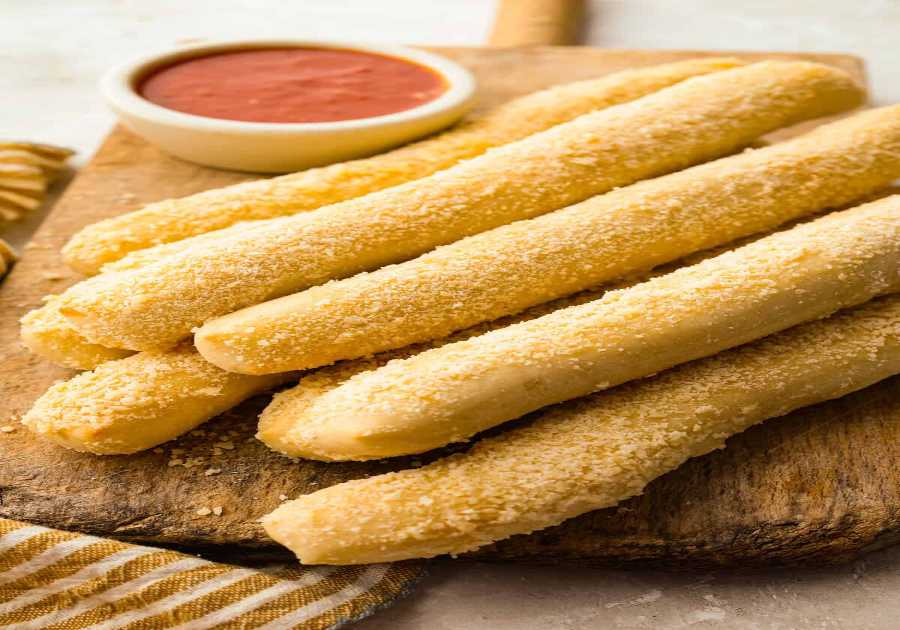
I don’t think making a beautiful commercial is enough anymore. People are consuming content all day long. They’re scrolling past hundreds of images and videos, so if the work doesn’t have a point of view, it’s gone in a second. It’s no longer just about making the product look great. You have to give people a reason to stop, whether that’s through humor, an unexpected visual, a fresh camera move, or an idea they haven’t seen before.
That’s what clients are hiring me to solve. Beautiful is the baseline. My job is to find the visual idea that earns people’s attention, stays with them after they’ve scrolled past, and still feels true to the brand.
You’ve worked with brands like Jimmy John’s, Arby’s and Taco Bell, all very successful right now. What do those brands, and other smart ones, understand about today’s consumer that others are missing?
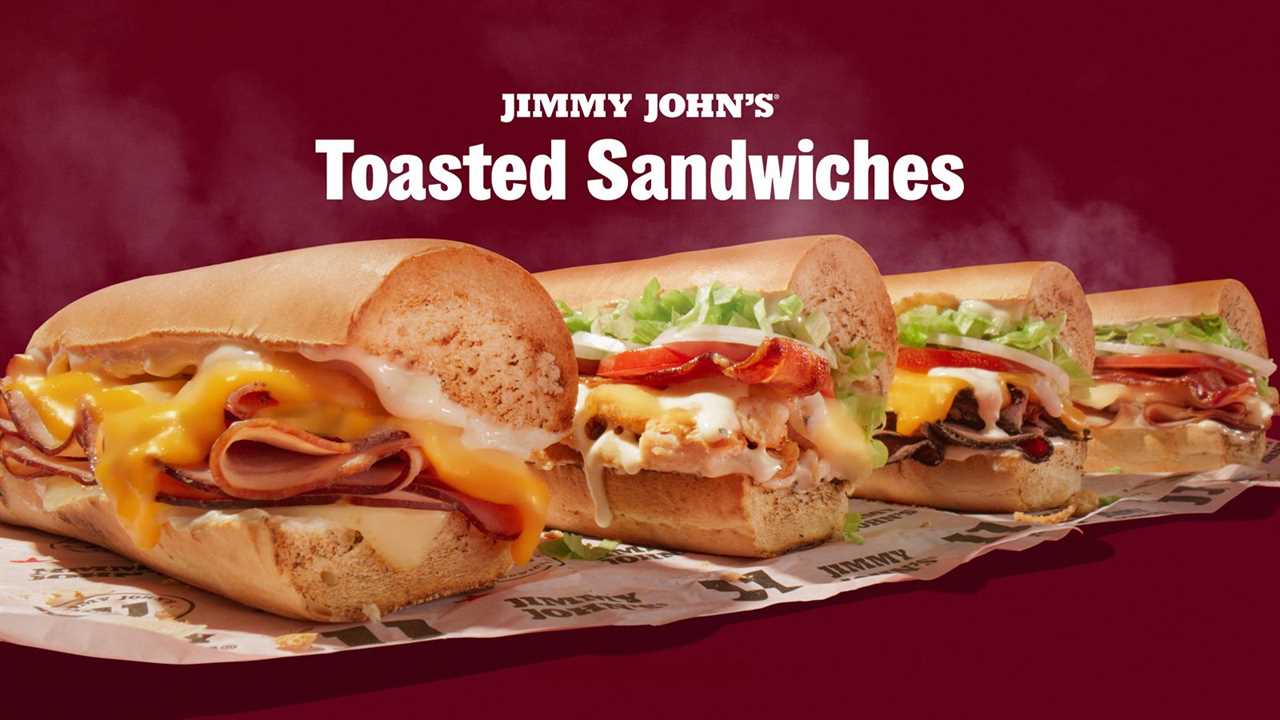
I think the smartest brands have a really clear understanding of who they’re talking to. They know their audience, what resonates with them, and they’re confident enough to lean into it instead of trying to appeal to everyone. What I loved about my recent work with Jimmy John’s is that the humor and personality carried through even into our food-only campaigns. Sometimes the camera reacted to the VO, and other times the VO carried the humor. Even without acted comedy, the spots still felt unmistakably like Jimmy John’s.
It’s such a vibrant brand with so much personality. They made a pickle sandwich; they even have pickle merch! That confidence in who they are naturally carries into everything they do, including a food-focused campaign. When a brand has that kind of identity, you’re not just selling a sandwich; you’re reinforcing a personality people already recognize and enjoy.
Like in your recent Jimmy John’s work, value messaging is dominating in restaurant marketing right now. From a creative standpoint, how do you make affordability feel exciting? What separates restaurant brands that consistently create memorable ads from those that simply produce one promotion after another?
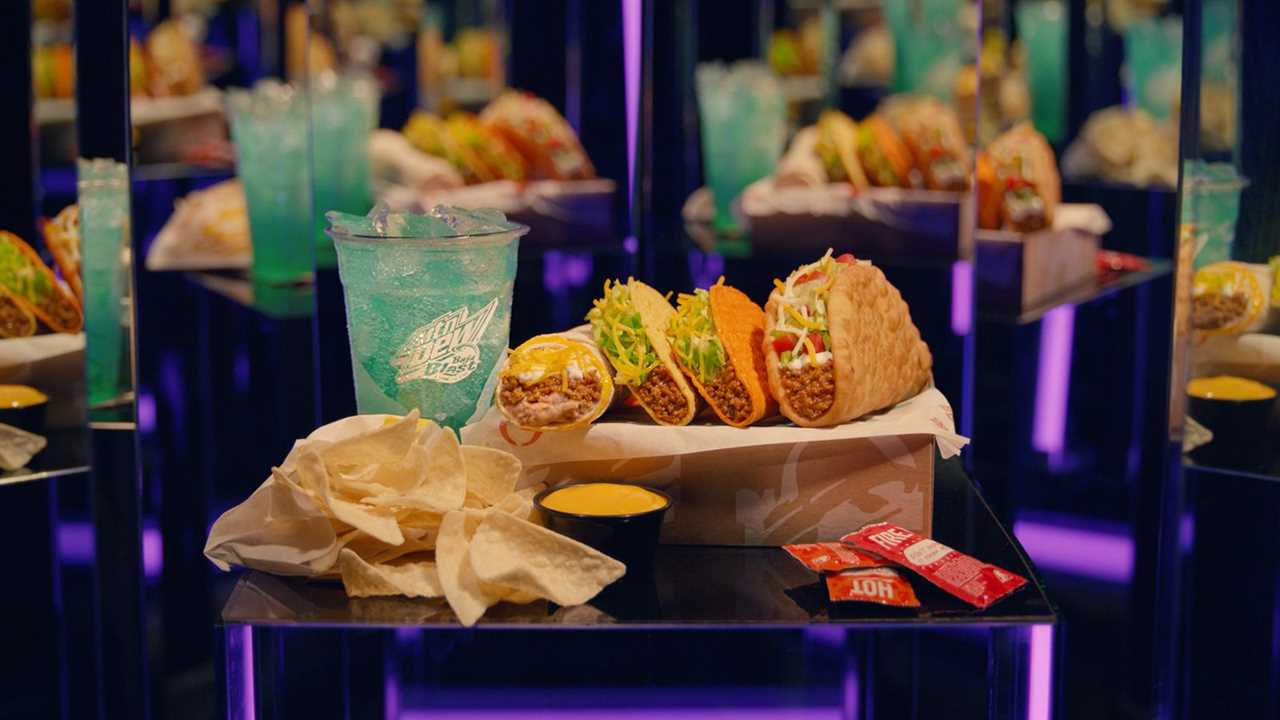
A value offer by itself isn’t interesting. The brand is what makes it interesting. Anyone can say ‘$6.99.’ That’s not what people remember. They remember how a brand makes them feel. Jimmy John’s feels like your inner dialogue. Taco Bell feels like you’re walking into the coolest party in town. Arby’s unapologetically leans into being the meat brand. They all have a distinct personality that carries through every campaign.
To me, that’s the difference. The strongest restaurant brands don’t reinvent themselves every time they have a new promotion. The promotion changes, but the personality doesn’t. They’re building a relationship with consumers over time, not just asking them to buy lunch today. That’s what makes the work memorable. You’re not just selling a deal. You’re reinforcing an identity that people recognize instantly, even before they see the logo.
Today’s restaurant campaigns have to work on national TV to six-second social videos. How does that challenge you as a director?
I changed the way I approach production. I’m thinking about different aspect ratios from the very beginning, how a shot will play in 16:9 versus 9:16 or 1:1, where the product sits in frame, and how we can compose shots so they work across multiple platforms. Social is no longer an afterthought. For many, it’s the main source of entertainment and information, so I think it’s important that it’s part of the creative conversation from the beginning because that’s such a huge part of how people discover and engage with brands today. We’re thinking much earlier about how those moments translate into a compelling :06 or other bite-sized pieces.
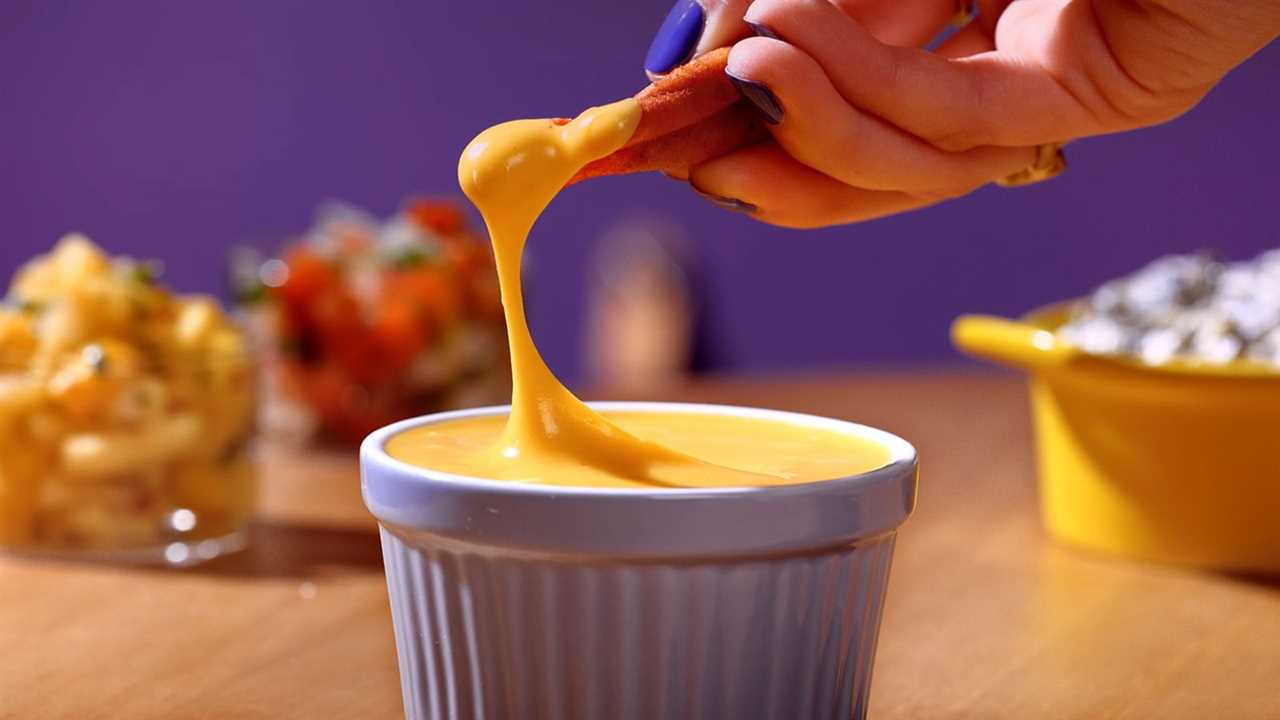
Ads used to mostly focus on beautiful food photography. Today, it seems brands are also selling personality, humor, and cultural relevance. How do you balance those elements and still make the food the hero?
The brands that stand out are the ones that fully embrace their personality rather than treating it as a layer they add on top of the food. The humor, camera language, edit, music, and pacing should all feel like they’re coming from the same brand DNA. Beautiful food is the expectation. Personality is what makes people remember it.
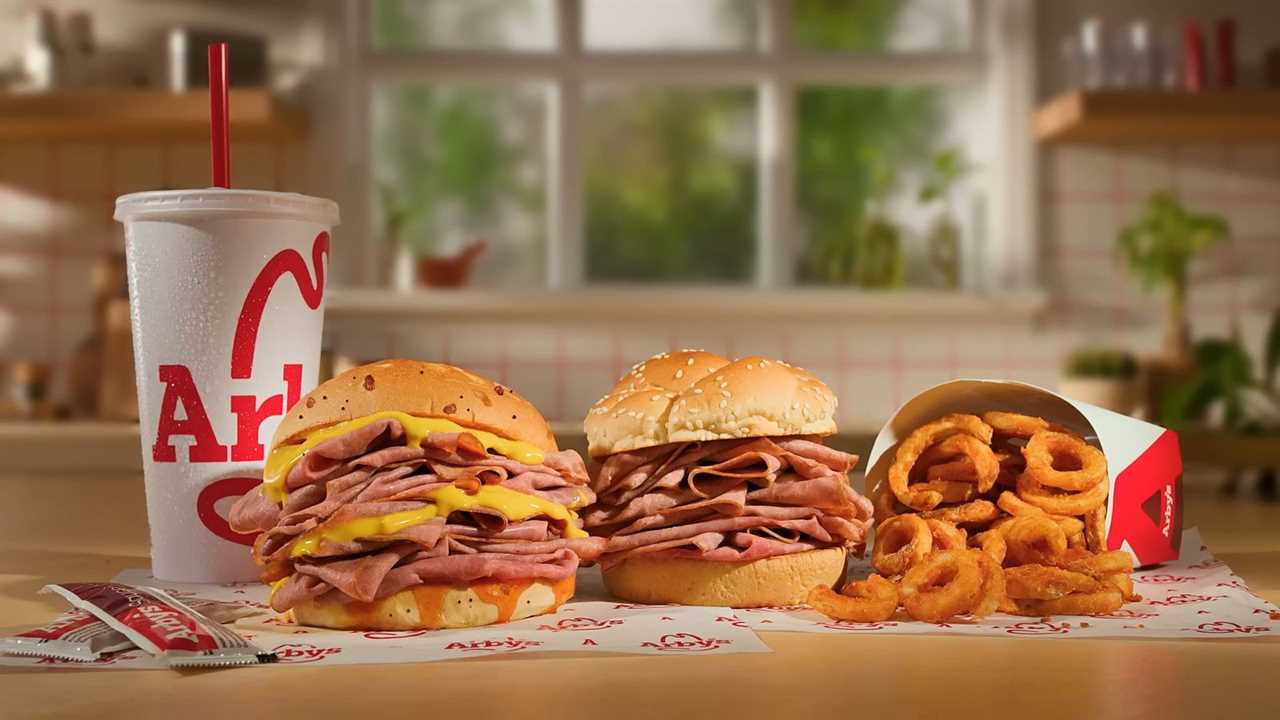
Looking ahead, what excites you about restaurant ads? What concerns you?
I think just in general, thinking about where we are in the world and especially thinking about technology, AI has come into the picture as a creative tool. It allows us to explore ideas, visualize concepts, and iterate at a speed that gets our creative juices flowing. It unlocks conversations that might never have happened because you can get ideas in front of people quickly. As a creative, I think that’s really exciting.
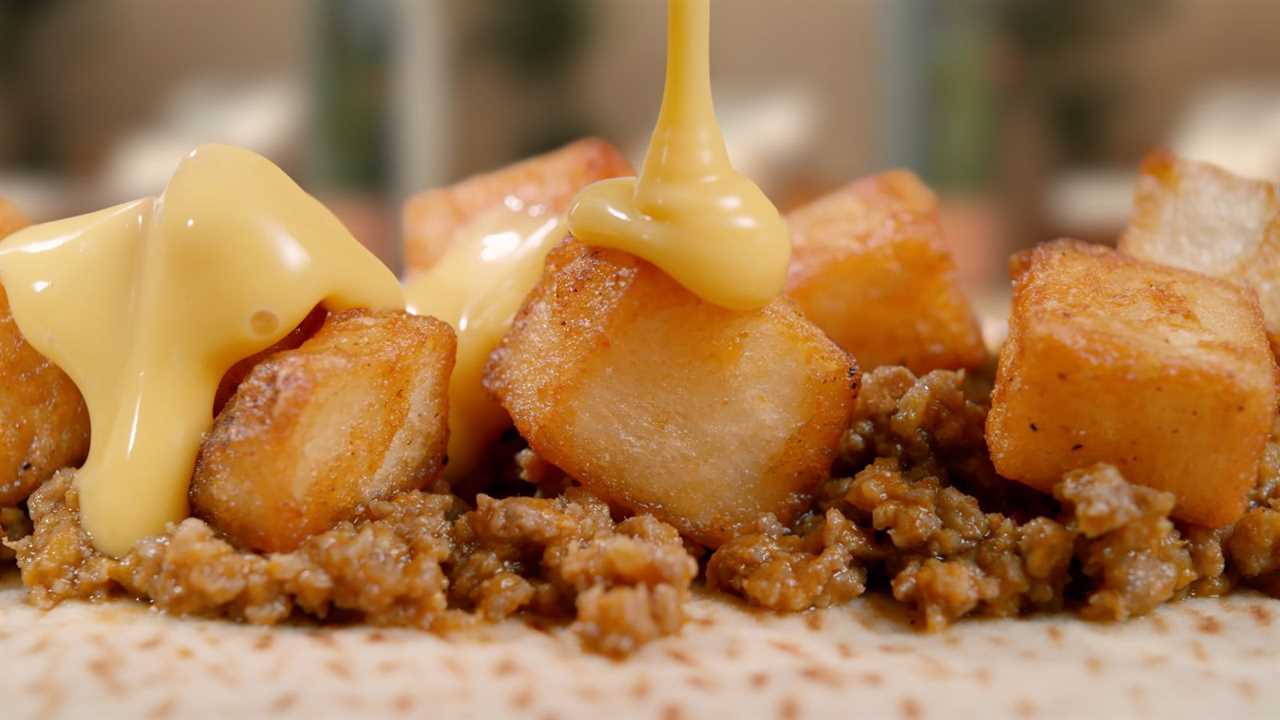
What concerns me is when ‘good enough’ becomes the standard simply because it’s faster. Most people won’t be able to point to exactly what’s different, and that’s the danger. They might think the AI version and the real version are the same, but they don’t feel the same. Tabletop is all about the details. It’s the way the light wraps around a bun, the exact texture of melted cheese, or how something moves in slow motion. Those are the things that don’t just make food look good; they make you want it.
AI can generate an image of a crispy chicken sandwich, and most people will look at it and think, “Yeah, that’s a chicken sandwich.” But there’s a difference between recognizing food and really craving it. That emotional response comes from thousands of small creative decisions that people may never consciously notice, but absolutely feel.
That’s the part I don’t think we should lose. The craft is often invisible, but it’s exactly what makes the work resonate.
Michelle is currently working on a new campaign for Jimmy John’s that will break in the coming weeks.
View Michelle’s show reel:
- LordDanger.com/director/michelle-pak
View two recent Jimmy John’s ads Michelle has directed:
- https://youtu.be/77YrmonKSXM
- https://youtu.be/-vVCmGUKyHY
The post Why Beautiful Food Isn’t Enough Anymore: Michelle Pak on the New Rules of Restaurant Advertising first appeared on RestaurantNews.com.