
Quick bites from around the food safety arena
- There are now more than 20,000 cases of cyclosporiasis related to current outbreaks. The actual number is likely much higher. CDC is expected to update its patient counts next week. A source of the parasite for the largest outbreak has not yet been identified. Meanwhile, health officials in the United Kingdom report an increase in Cyclospora infections in people returning from travel to Mexico. Officials at the UK Health Security Agency anticipate a further rise in travel-associated cases linked to summer trips to both Mexico and the United States.
- Scientists from the Ineos Oxford Institute found that the global expansion of industrial chicken farming has helped spread Campylobacter, the most common bacterial cause of diarrhea worldwide. According to the new research published in Proceedings of the National Academy of Sciences, bacteria that were once confined largely to wild birds have gained far more opportunities to enter poultry flocks, spread and become established. These strains of bacteria are increasingly resistant to antibiotics as well.
- In Part 3 of his series, writer Joe Whitworth reports on a study of parasite transmission via raw fish consumption in South Korea. The Ministry of Food and Drug Safety found that restrictions on eating out during the COVID-19 pandemic seem to have interrupted an upward trend in cases involving Kudoa septempunctata, a parasite that lives in farmed olive flounder and other fish species.
- China has reported a significant increase in mushroom poisonings and the number of people sickened by them. Poisoning incidents and patients reached a six-year high in 2025, but the number of fatalities was the lowest over that period.
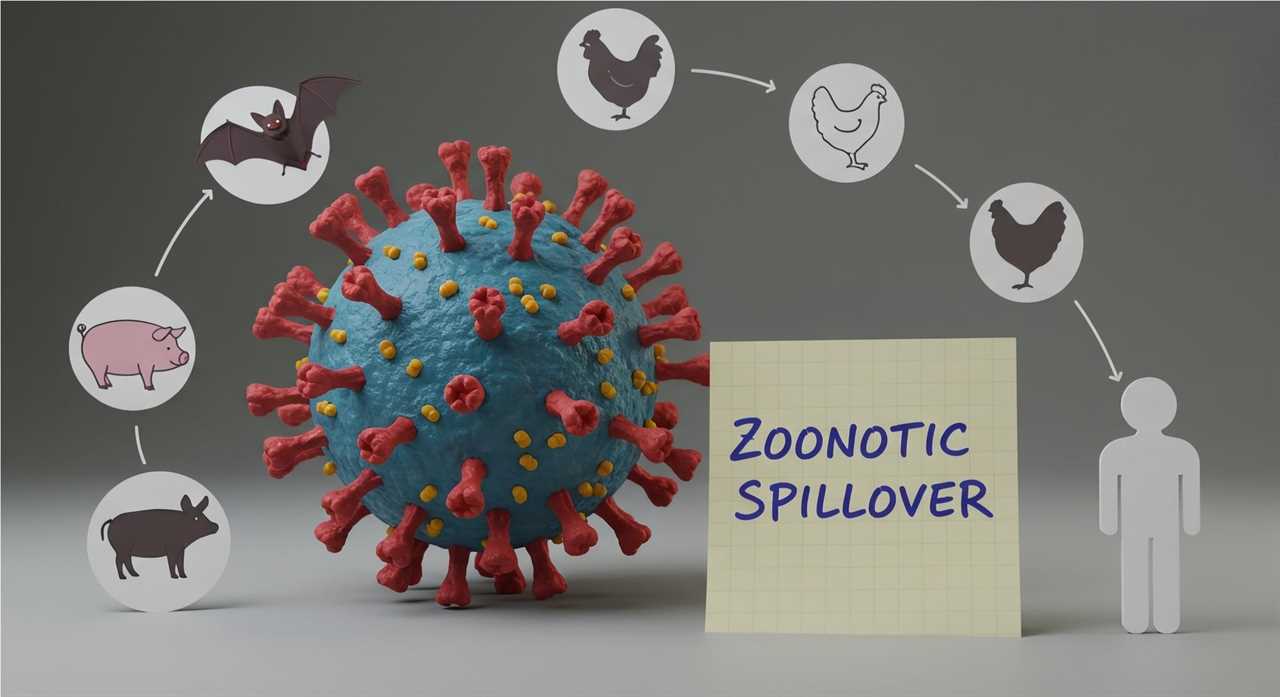
Today’s Topic: Zoonoses
Zoonoses, or zoonotic diseases, are infectious diseases that can be transmitted between animals and humans.
Zoonoses spread through both direct and indirect contact with animals, as well as via contaminated food and water. Even when transmitted by food and water, zoonoses are not usually thought of as foodborne illnesses, but they cannot be overlooked as a risk to food safety.